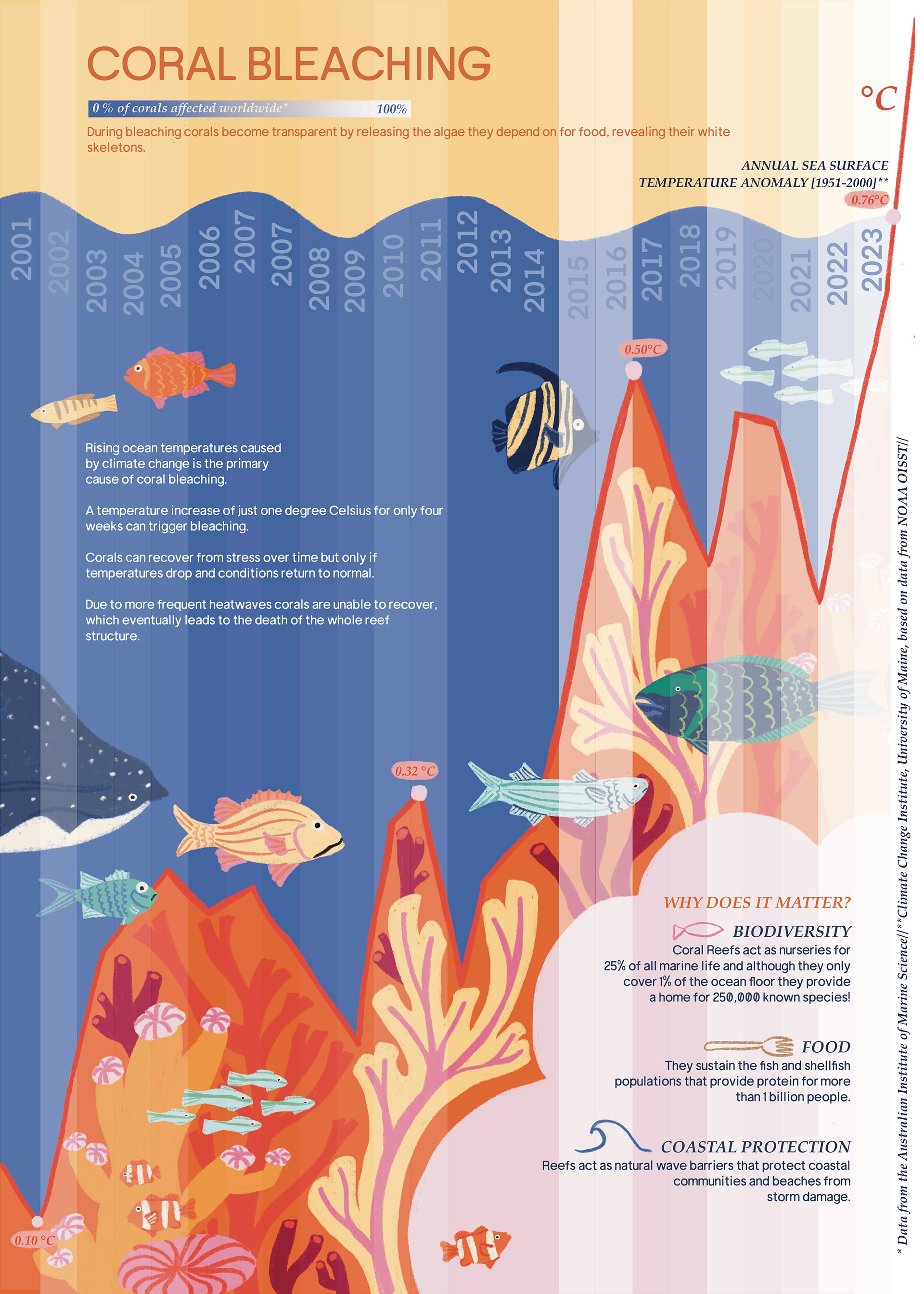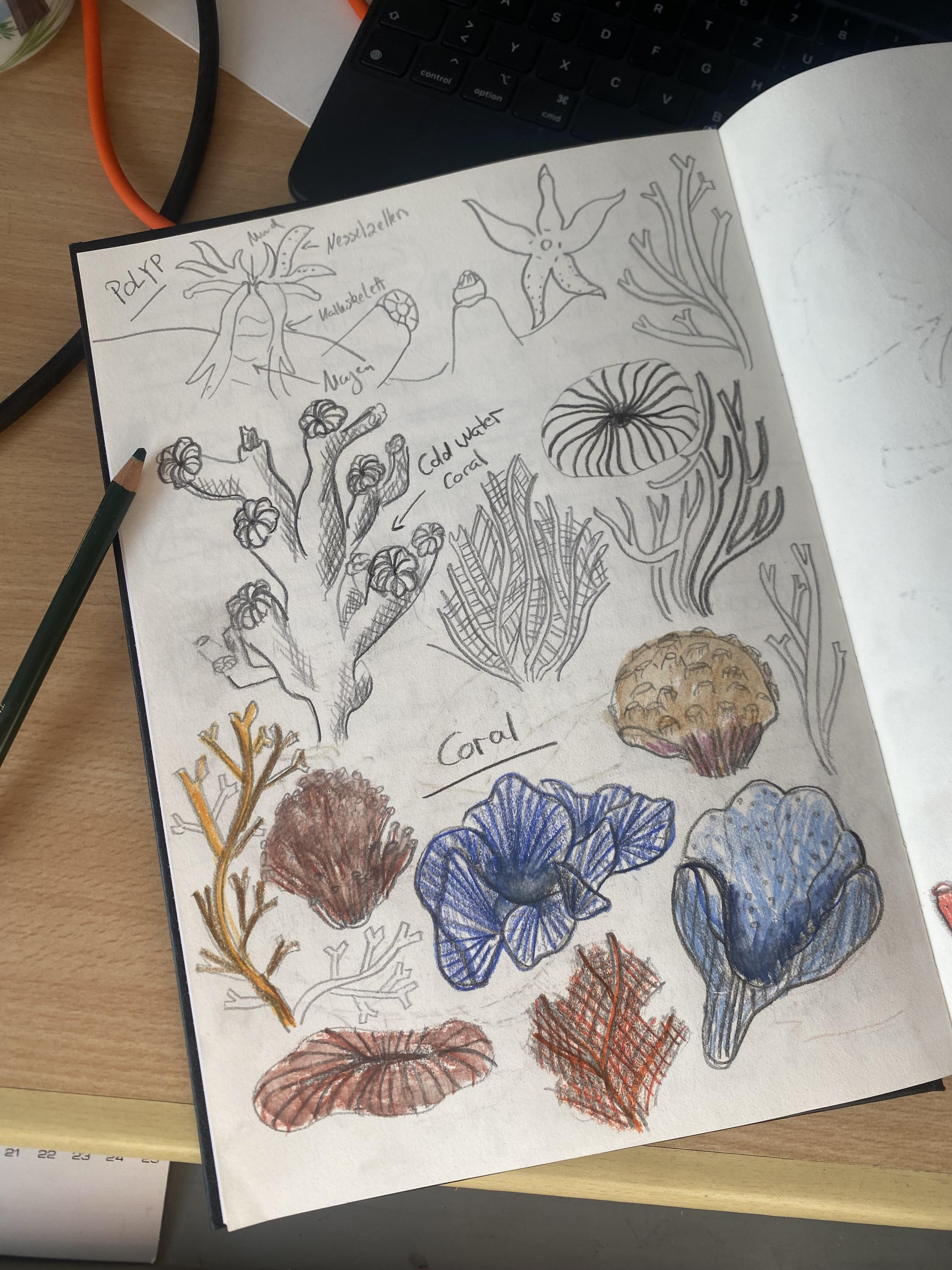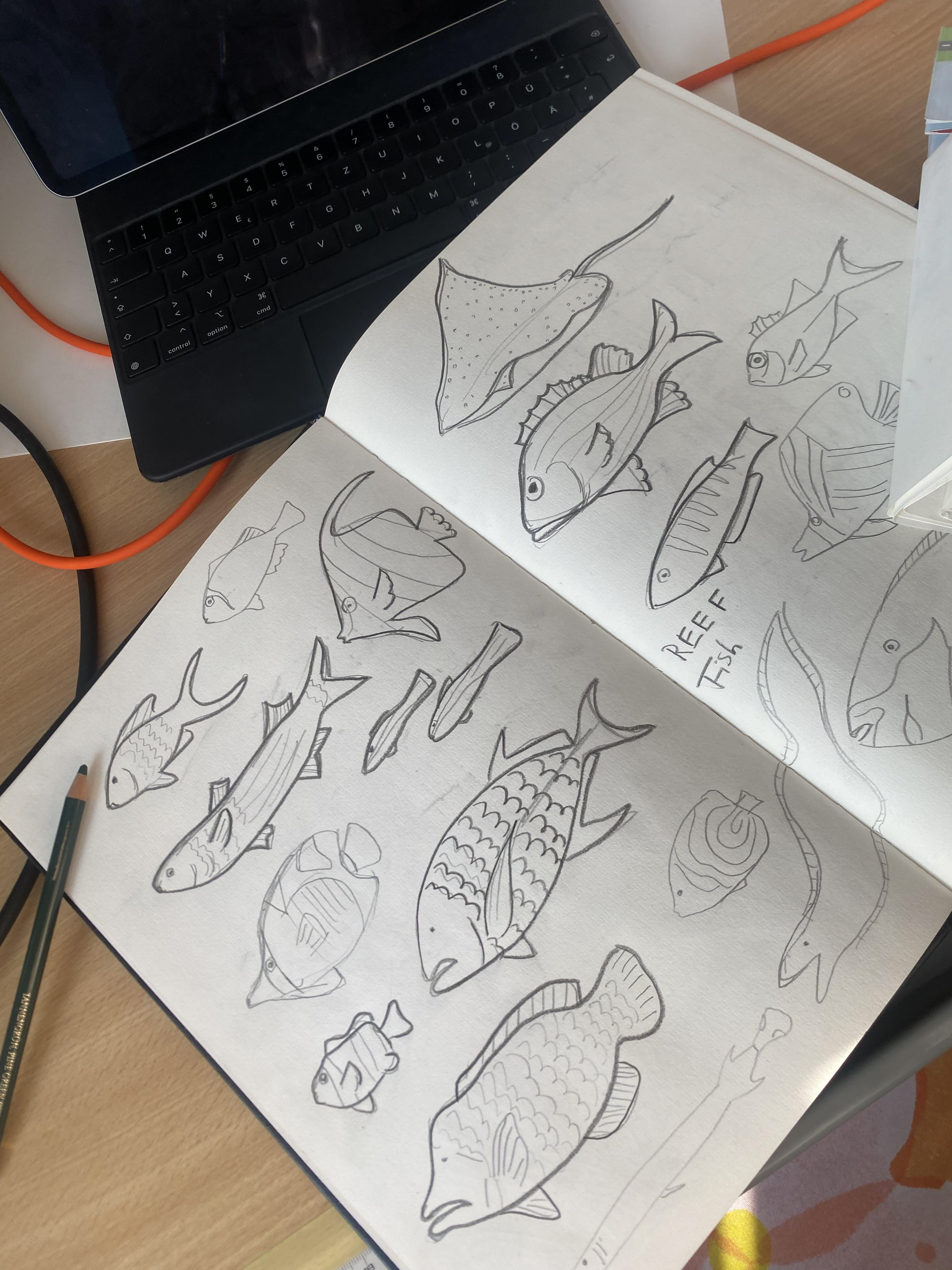
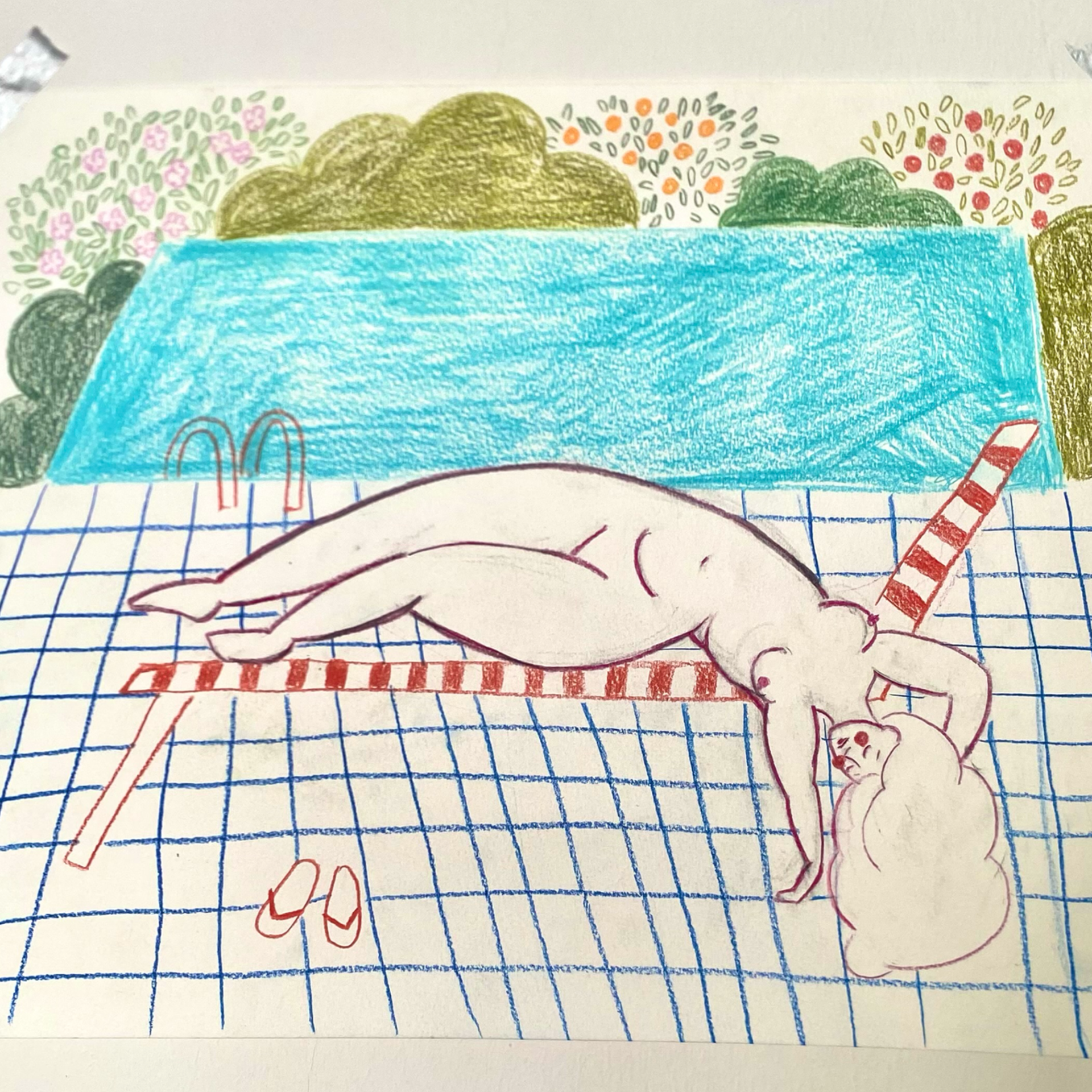
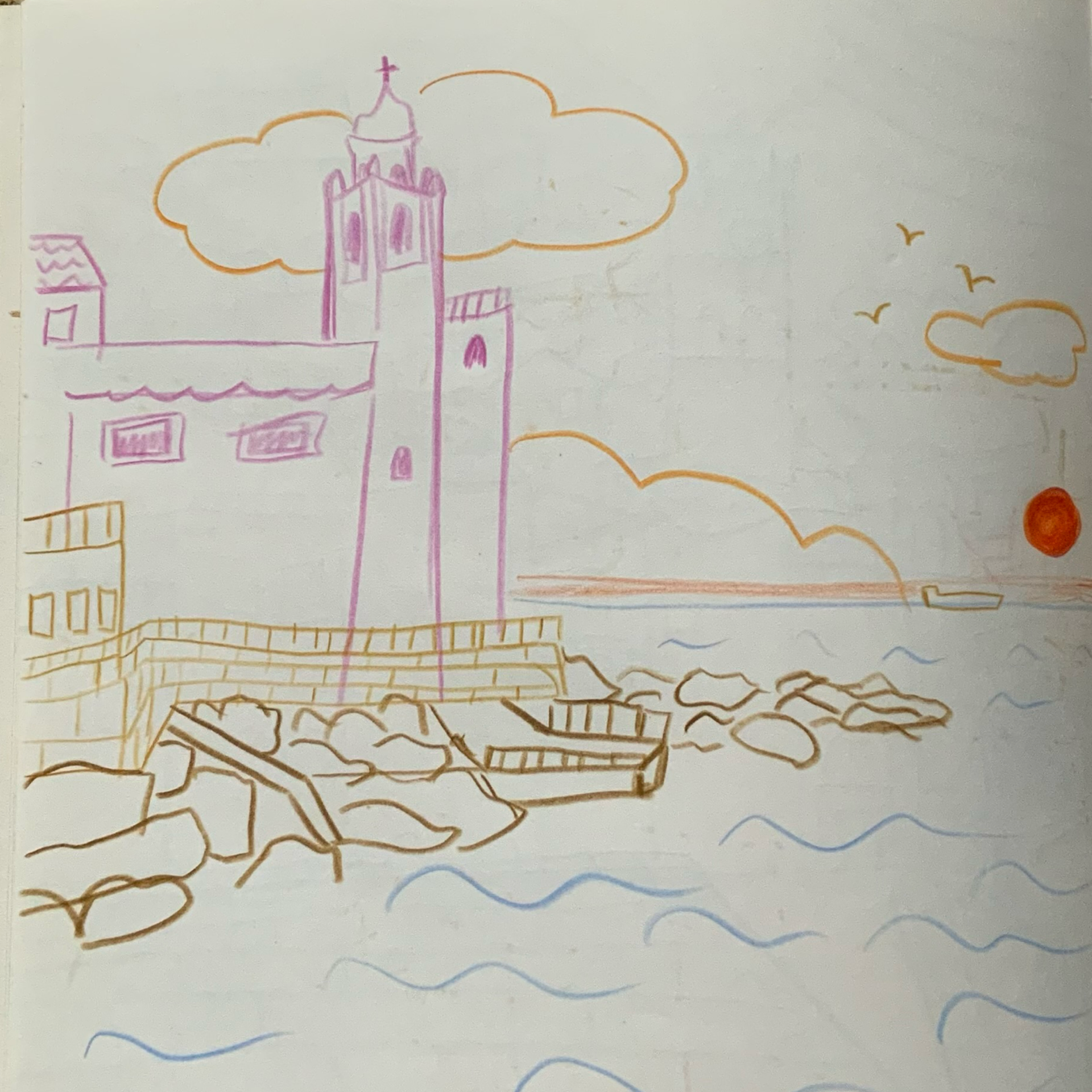
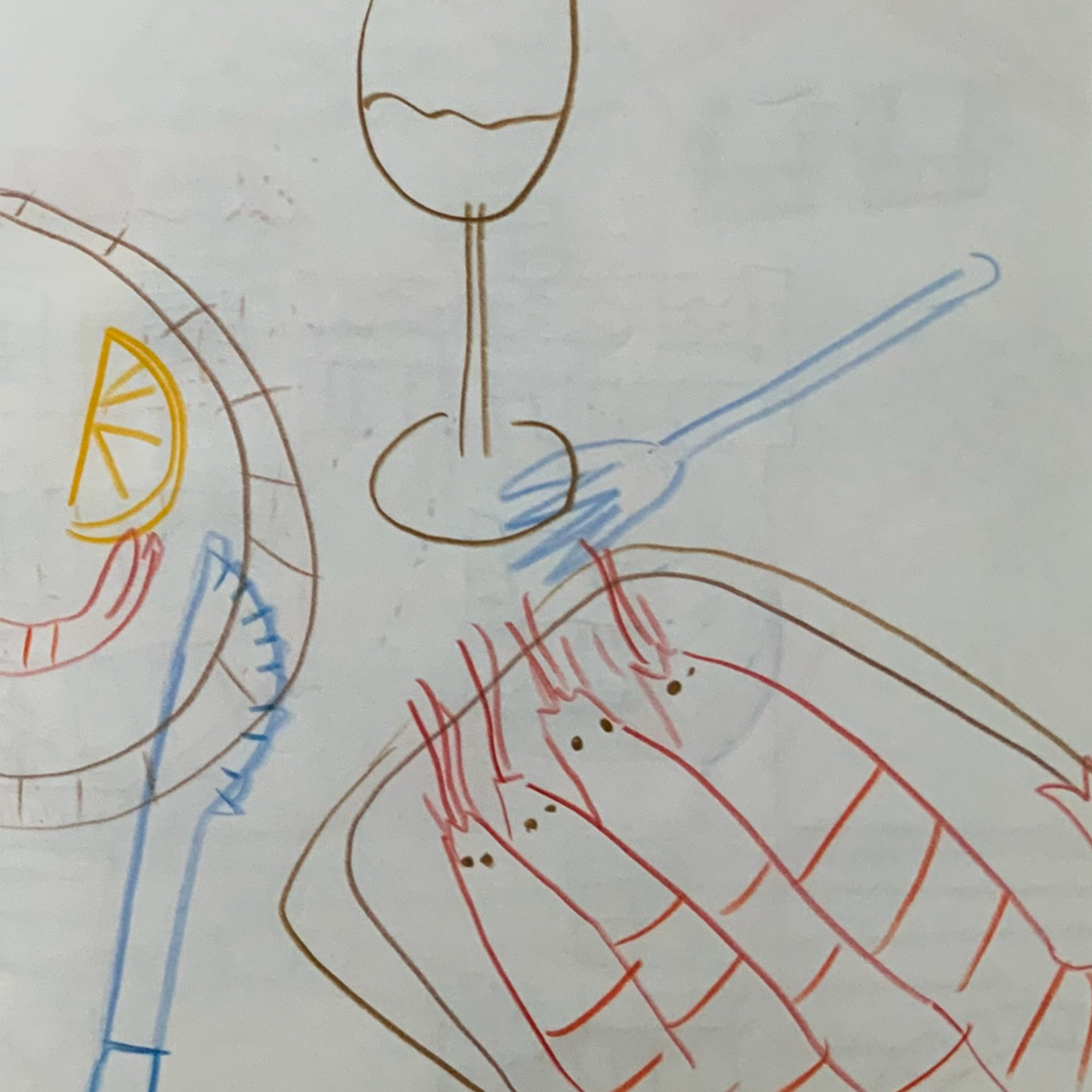
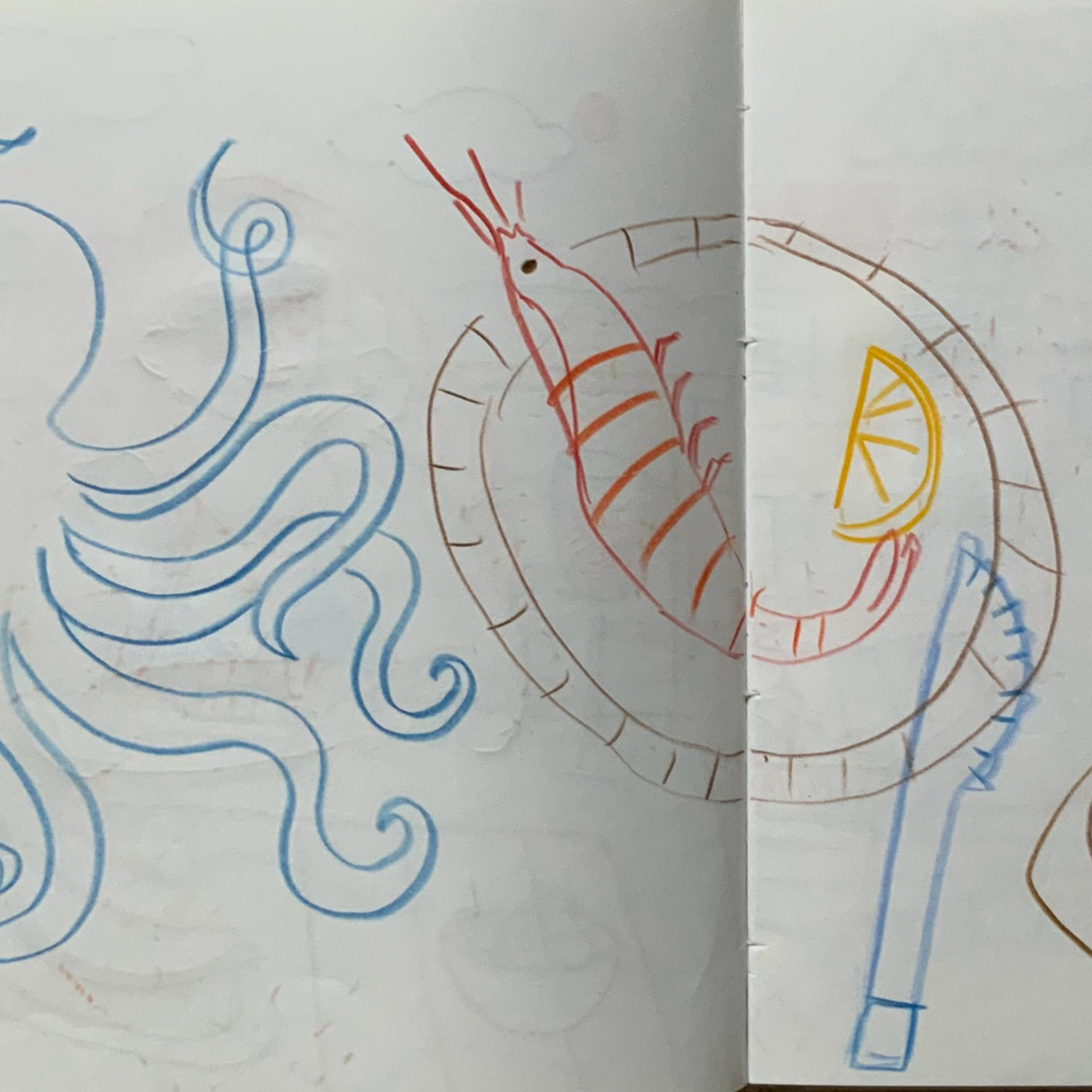
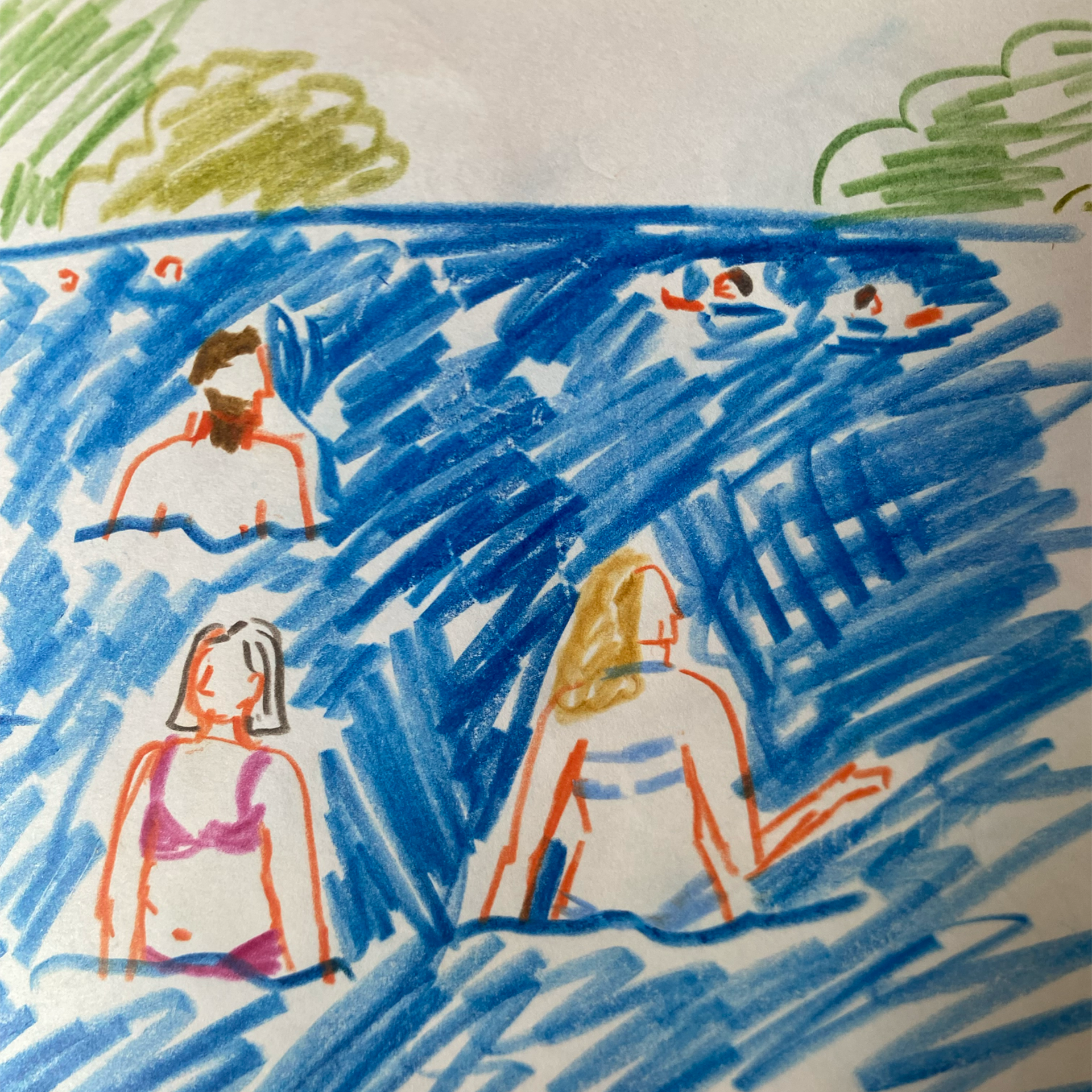
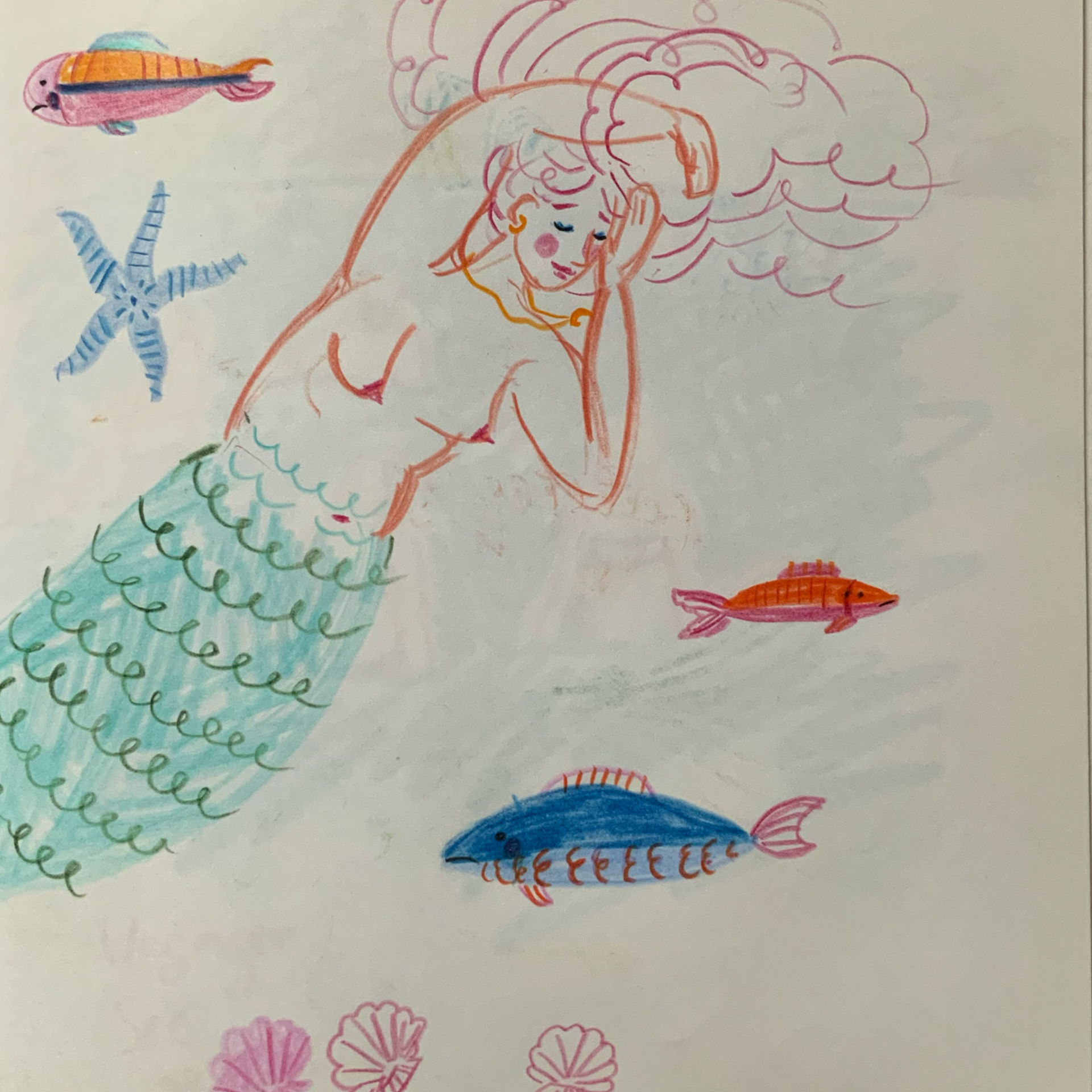
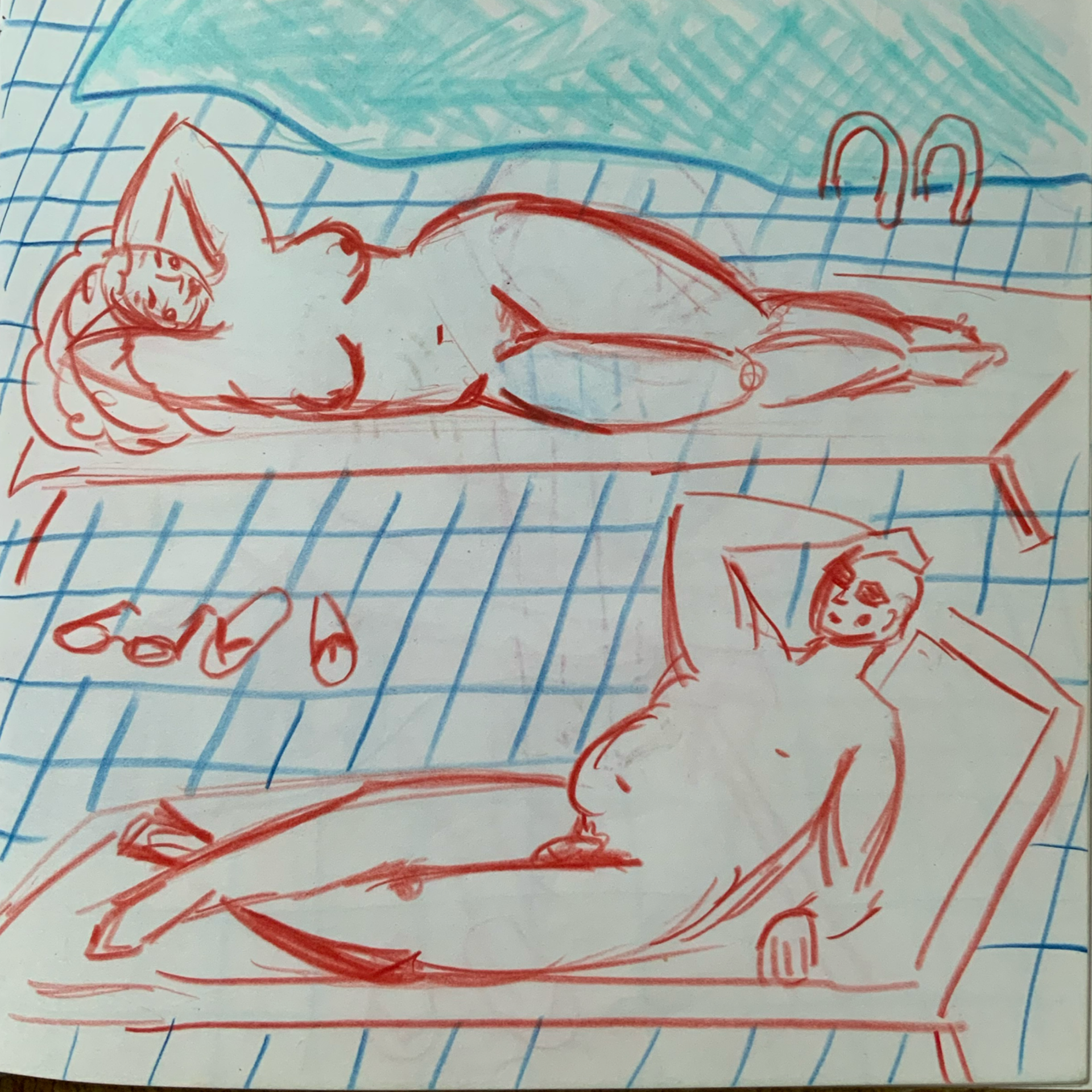
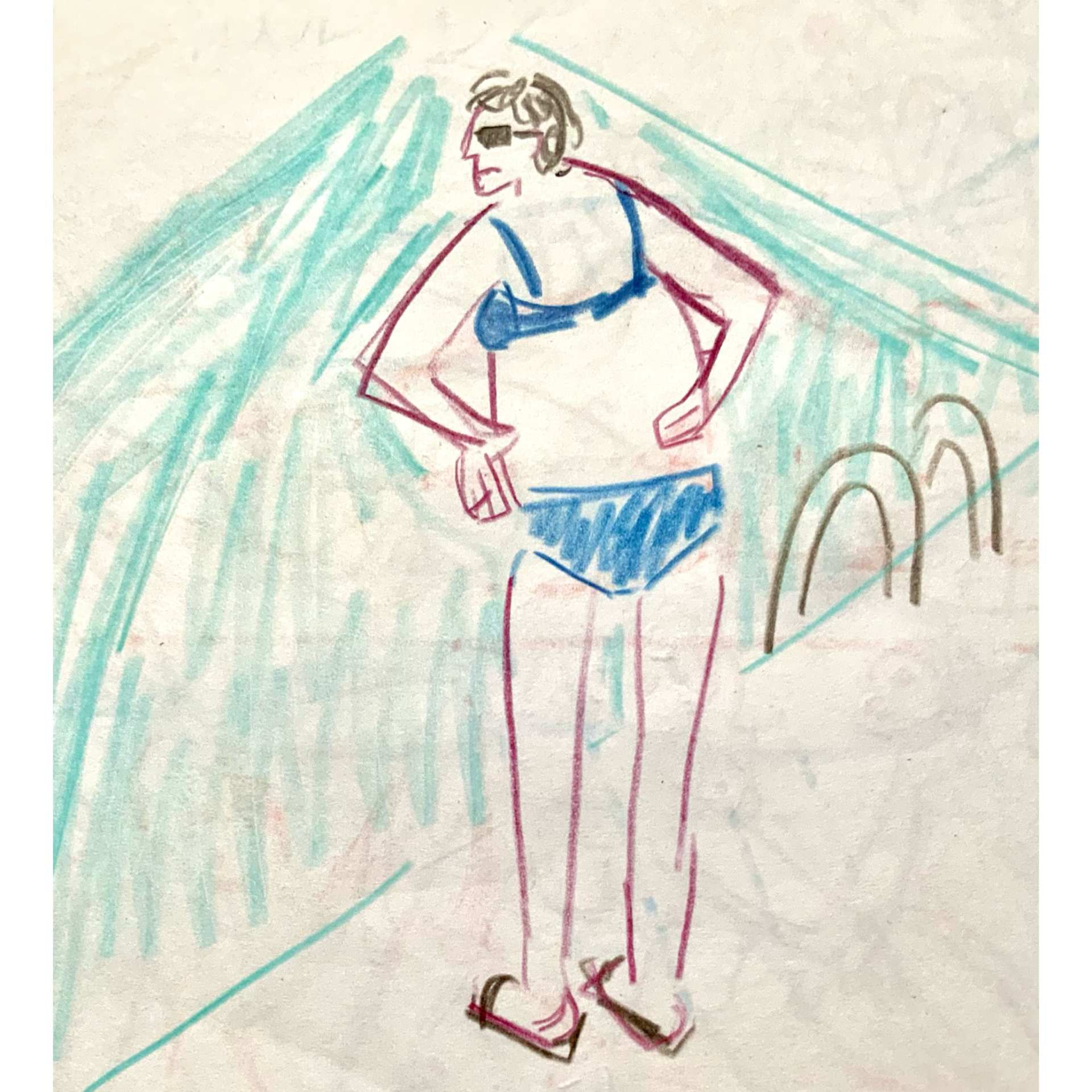
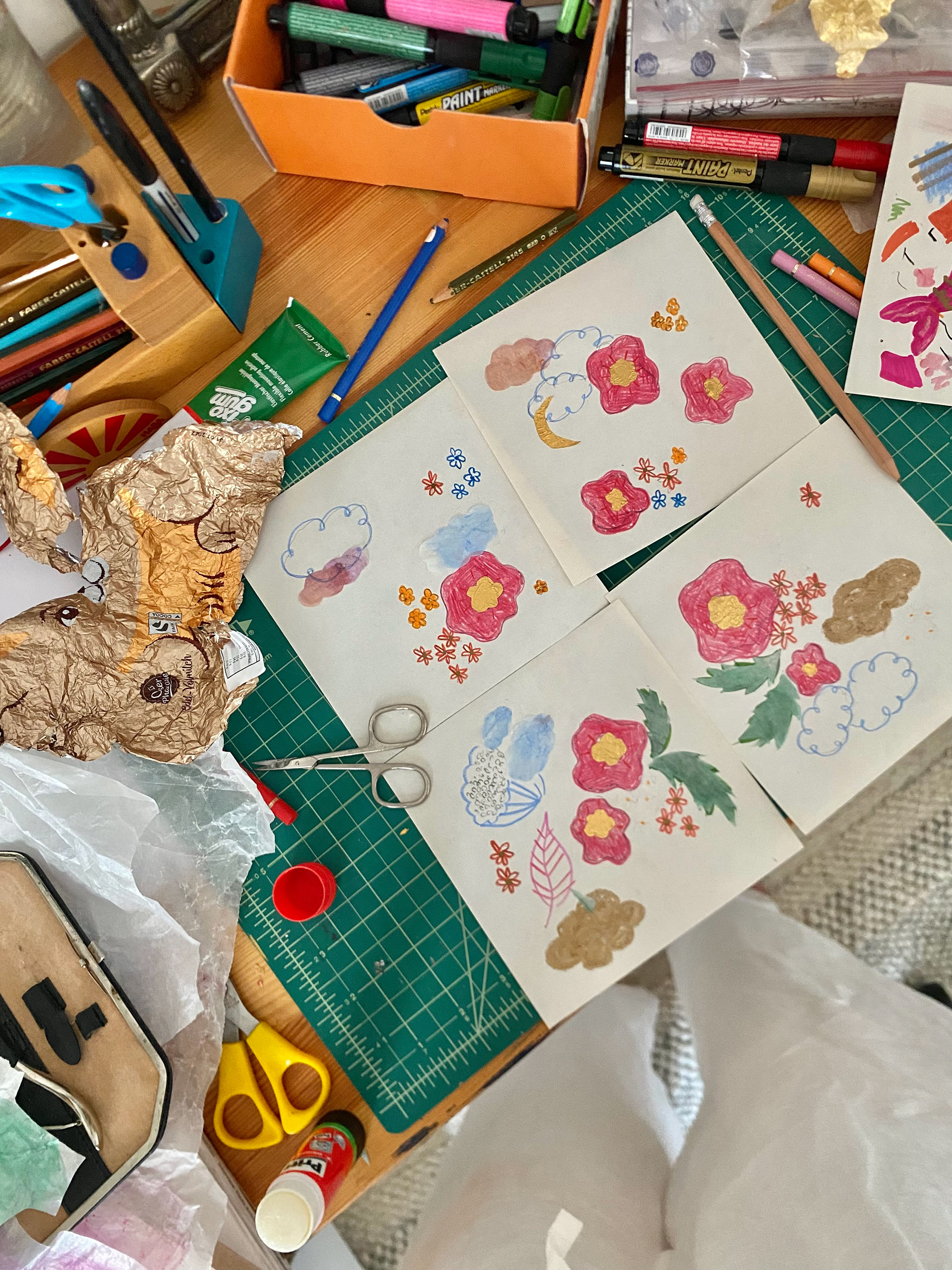
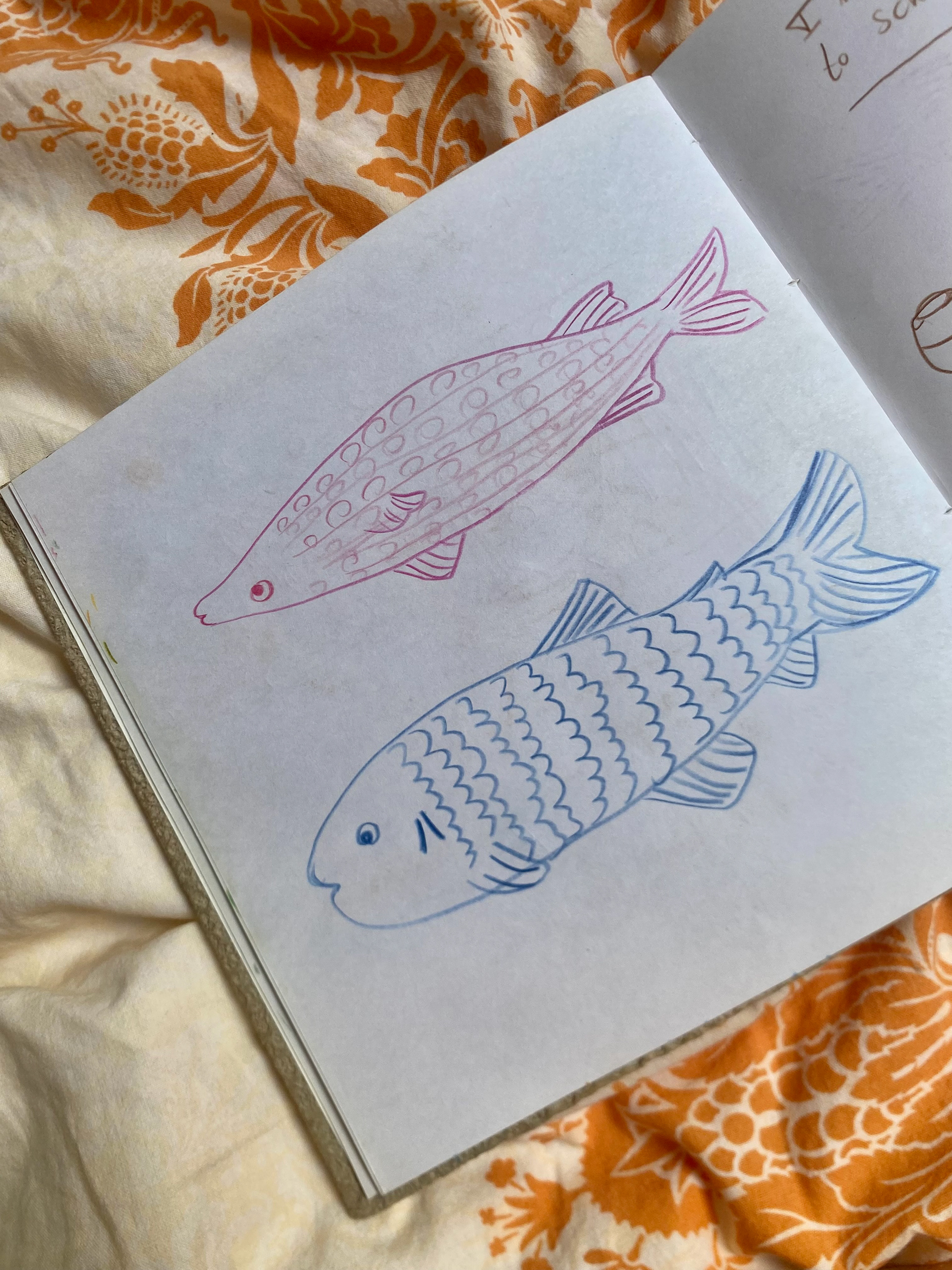
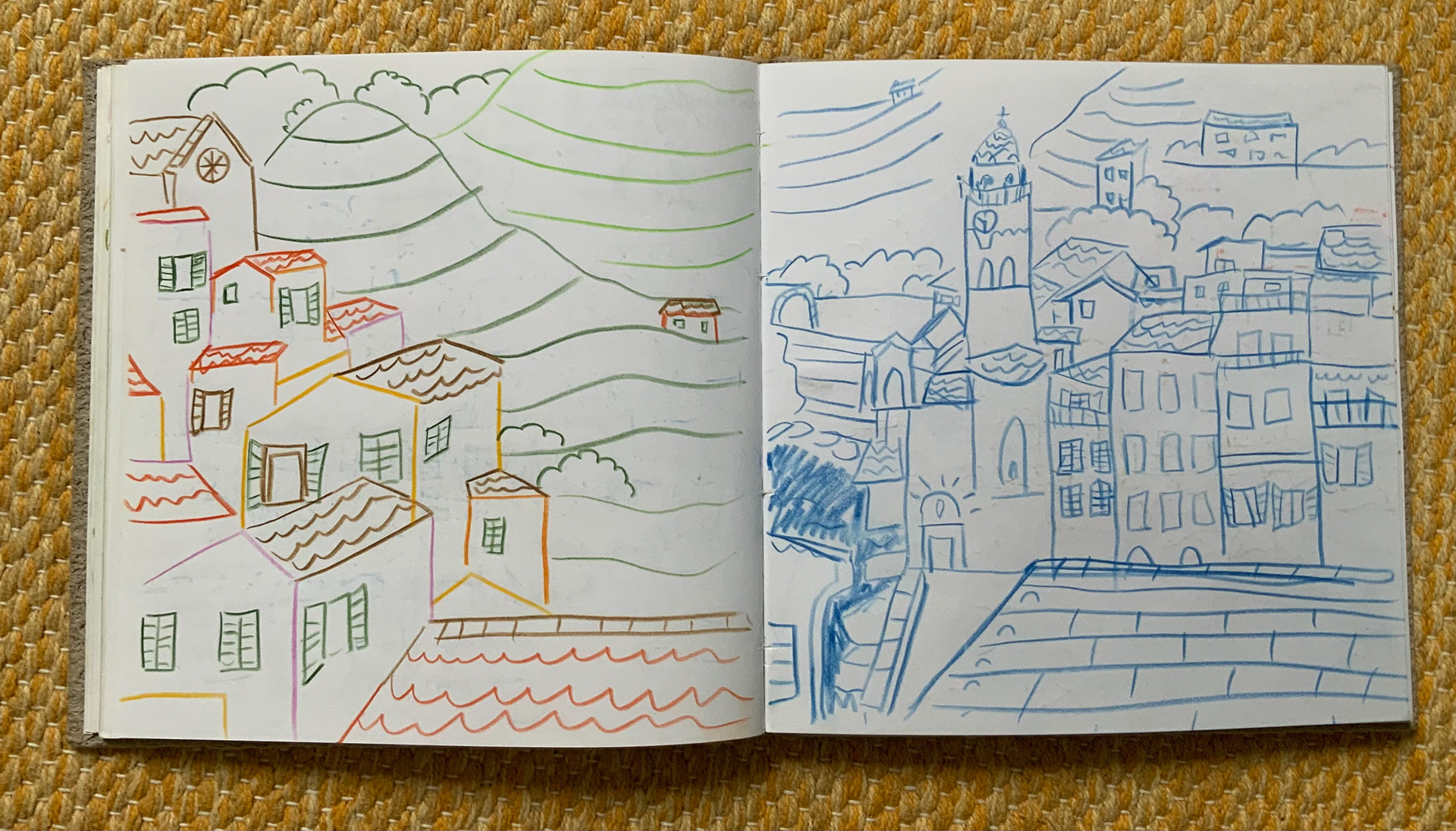
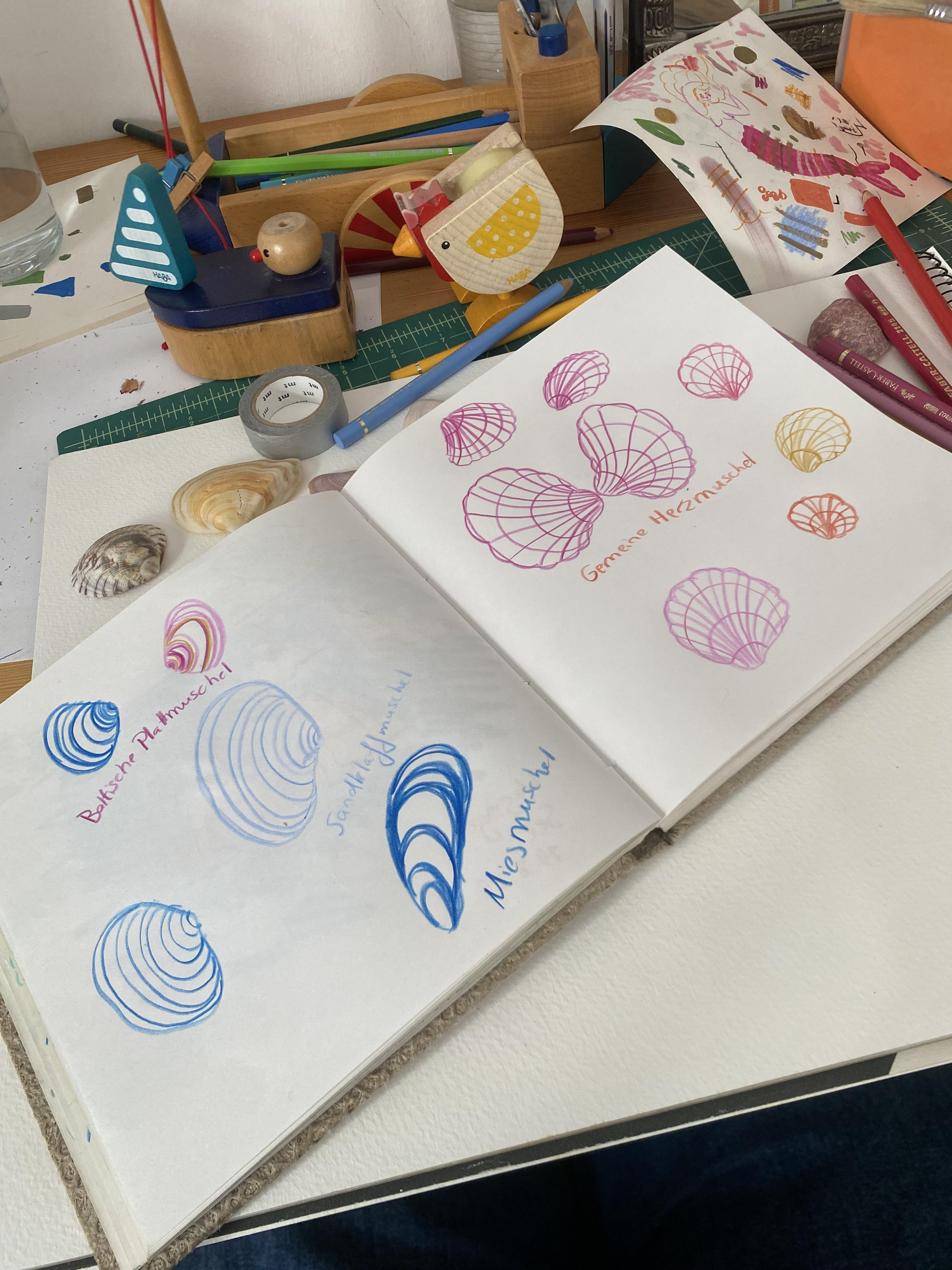
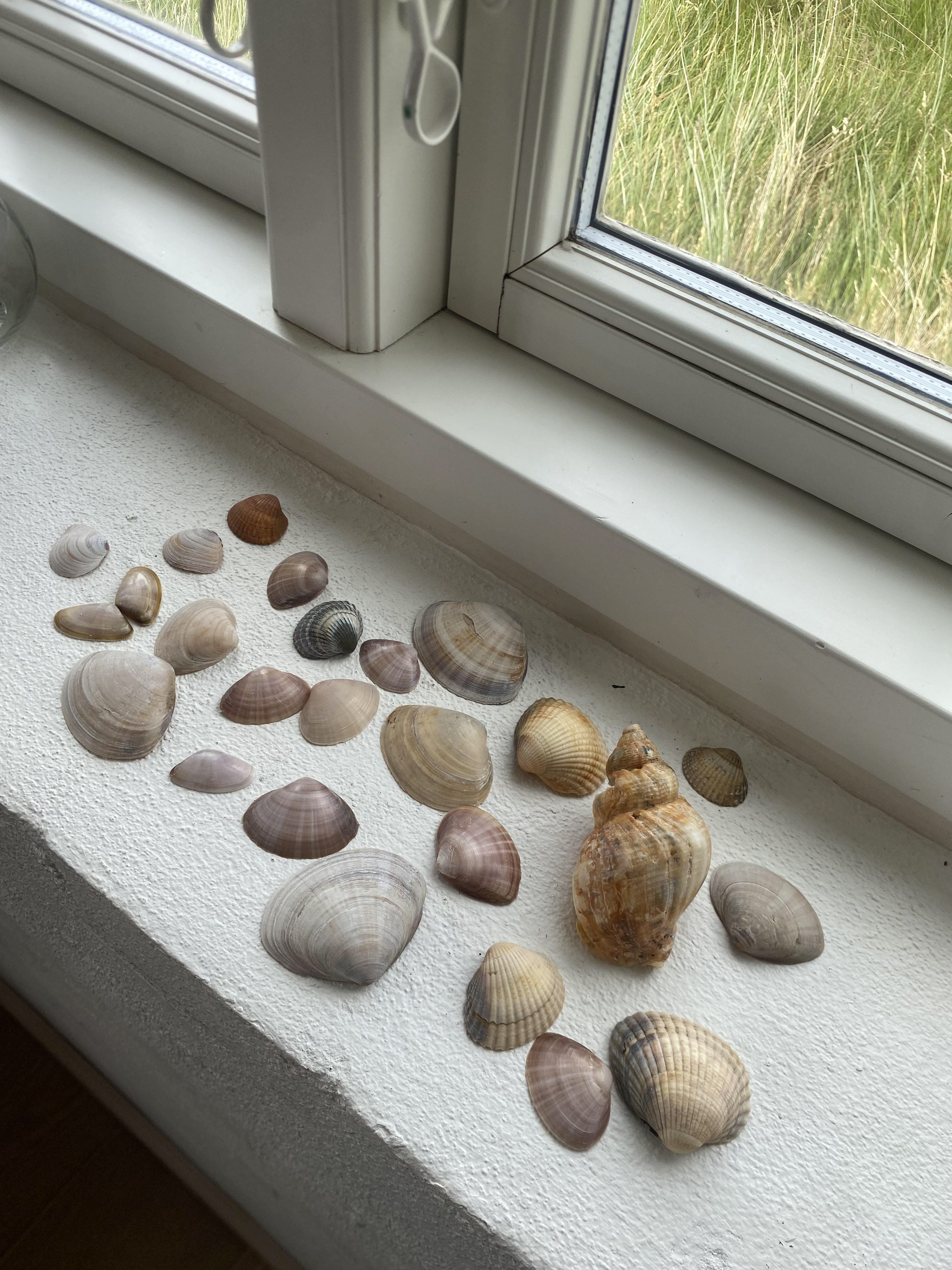
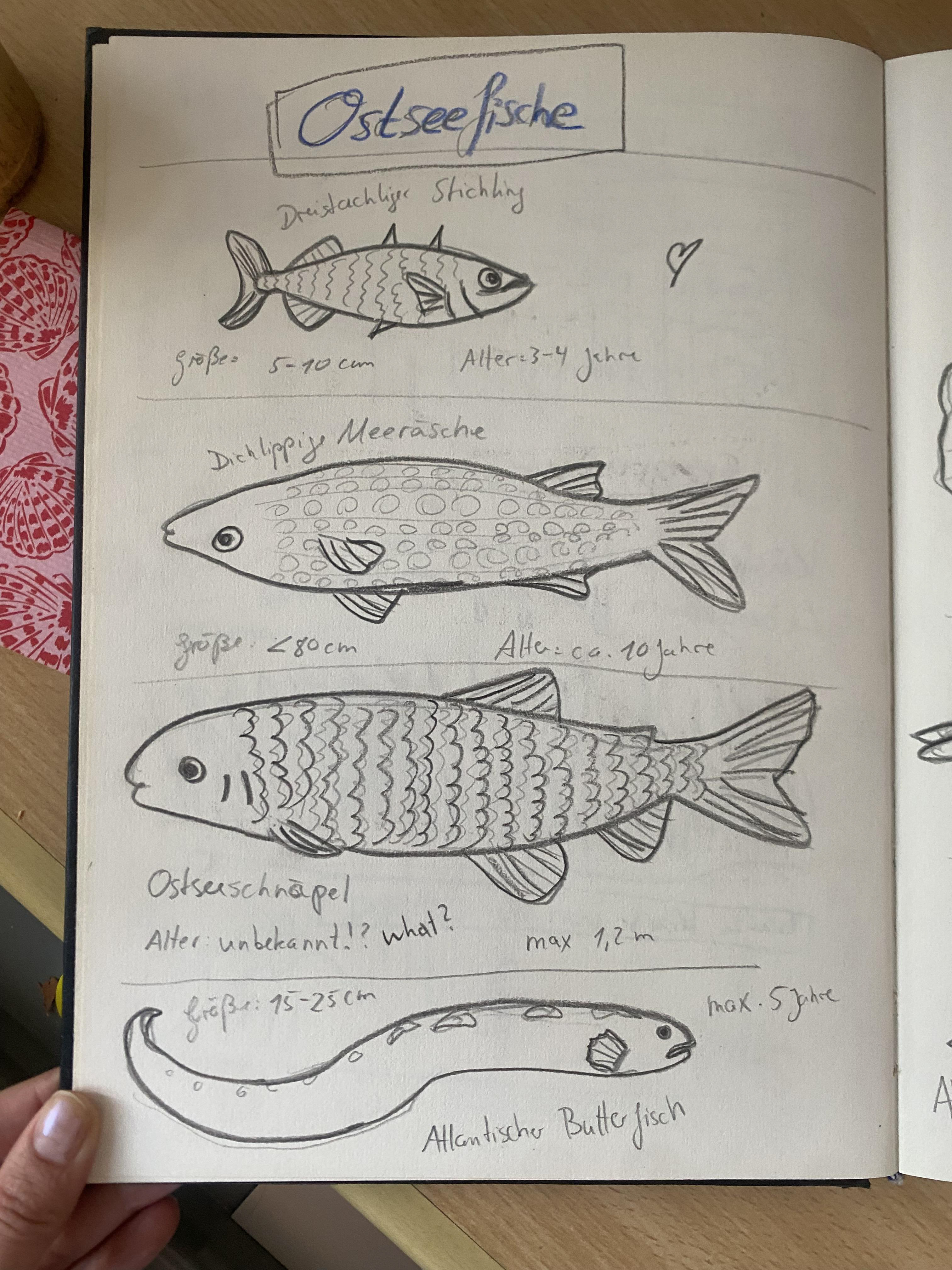
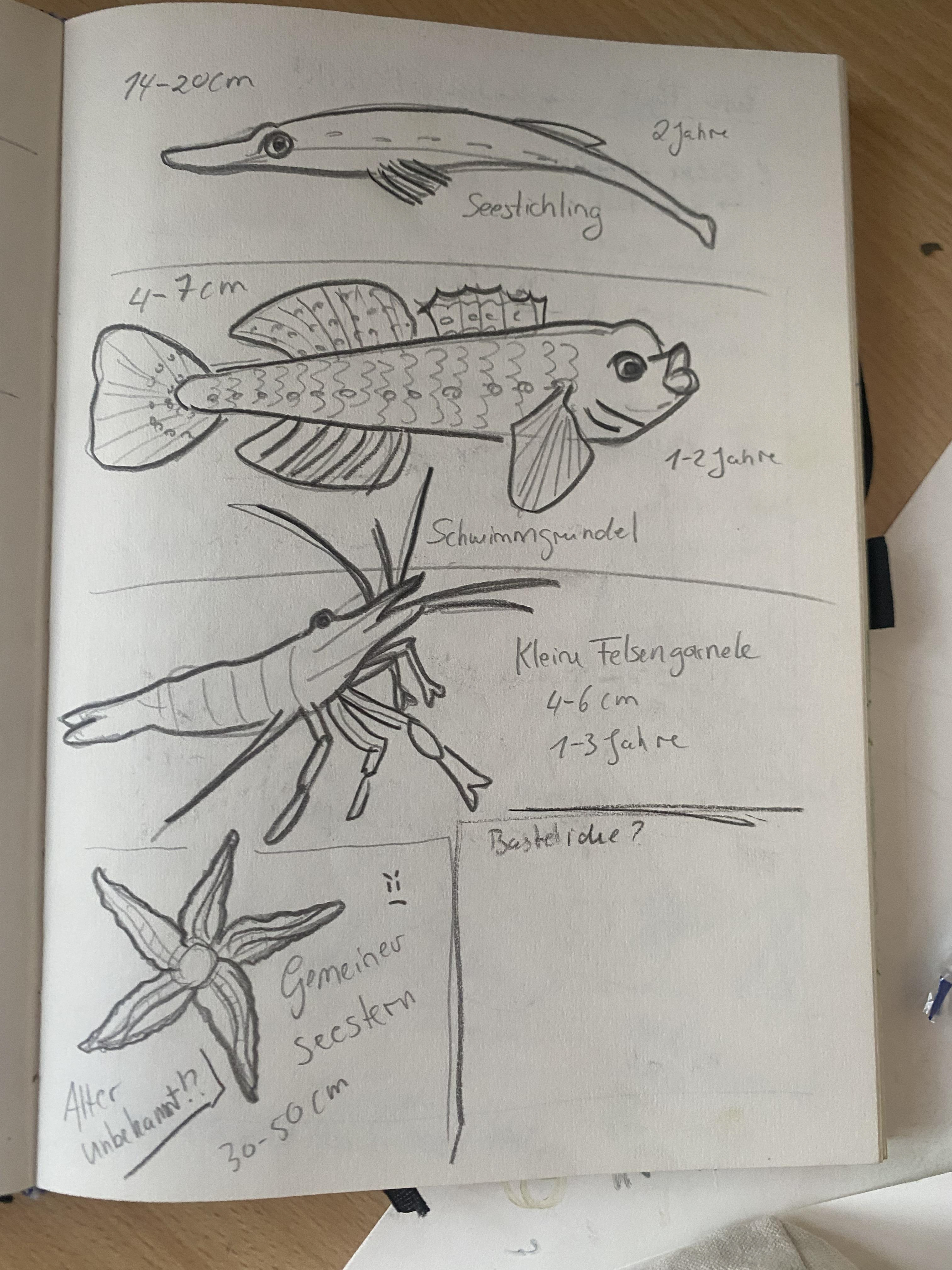
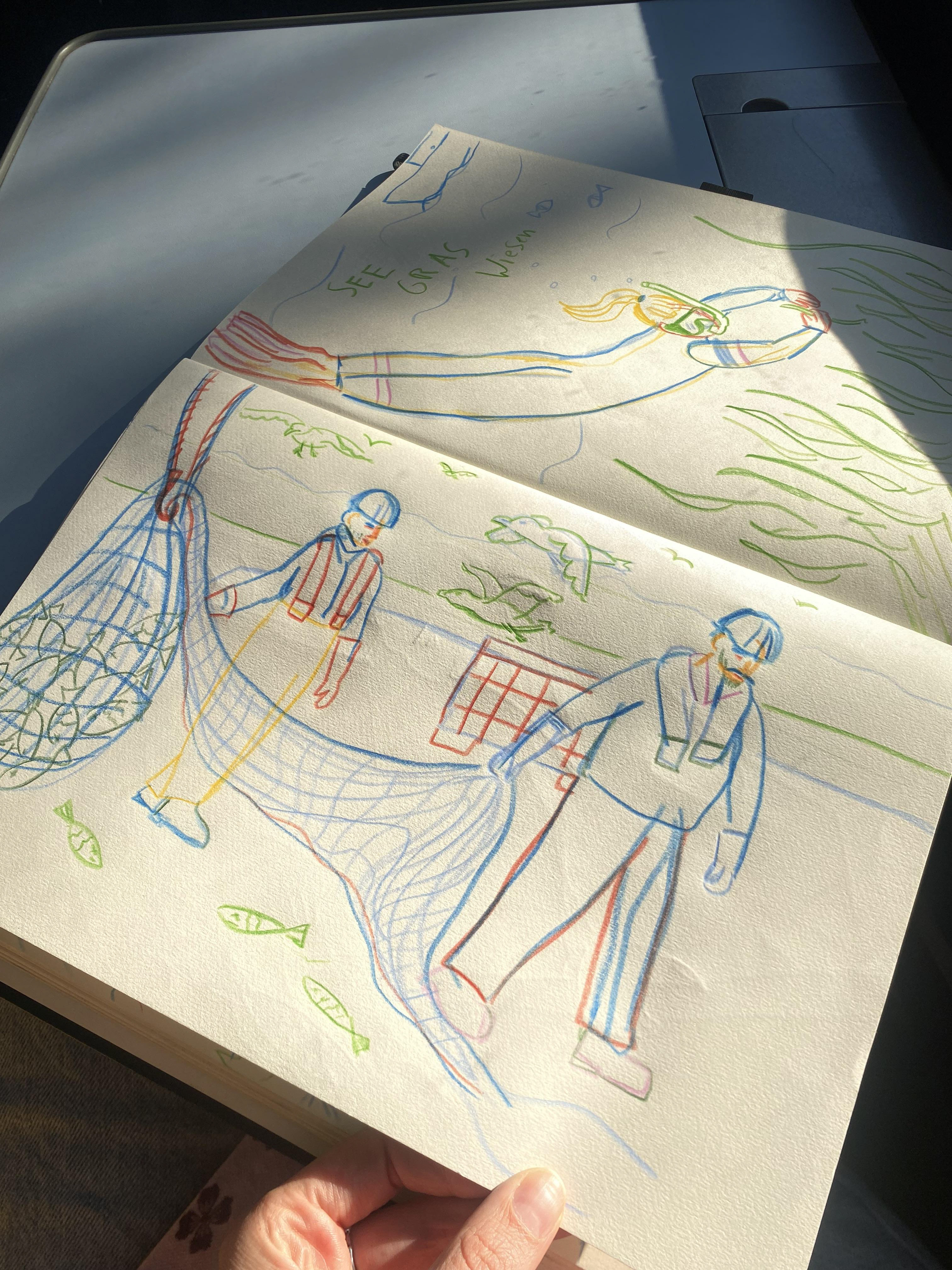
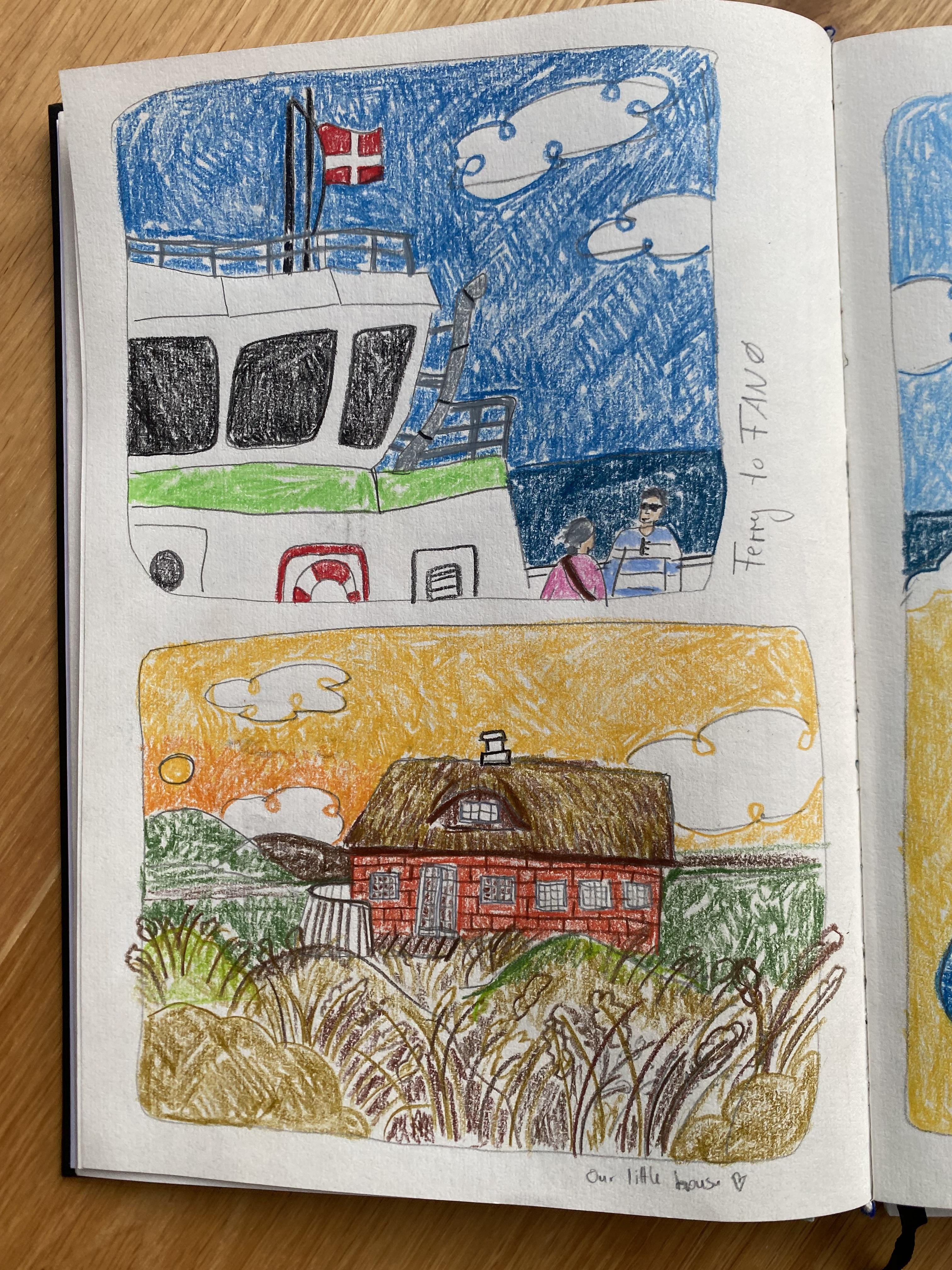
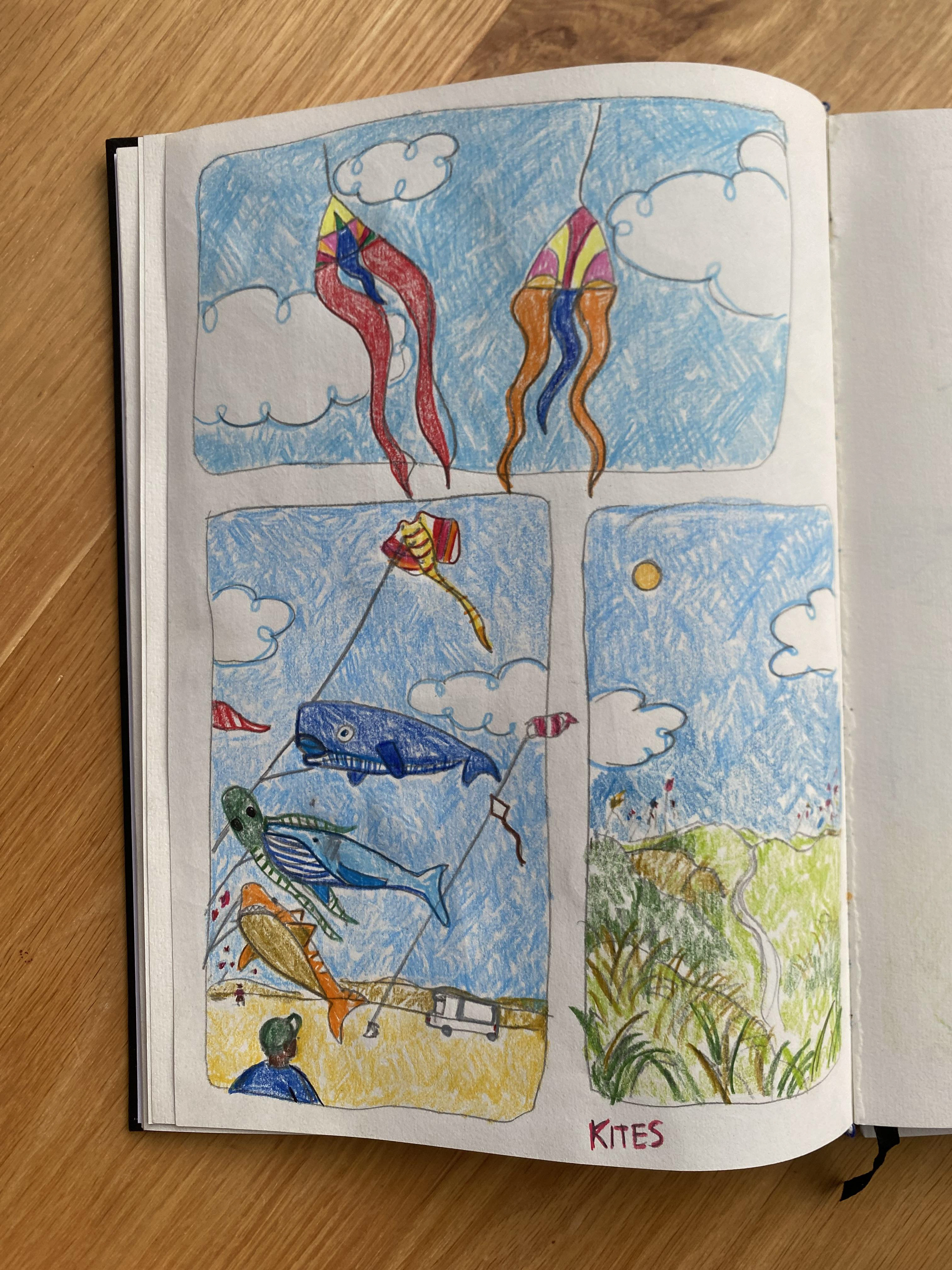
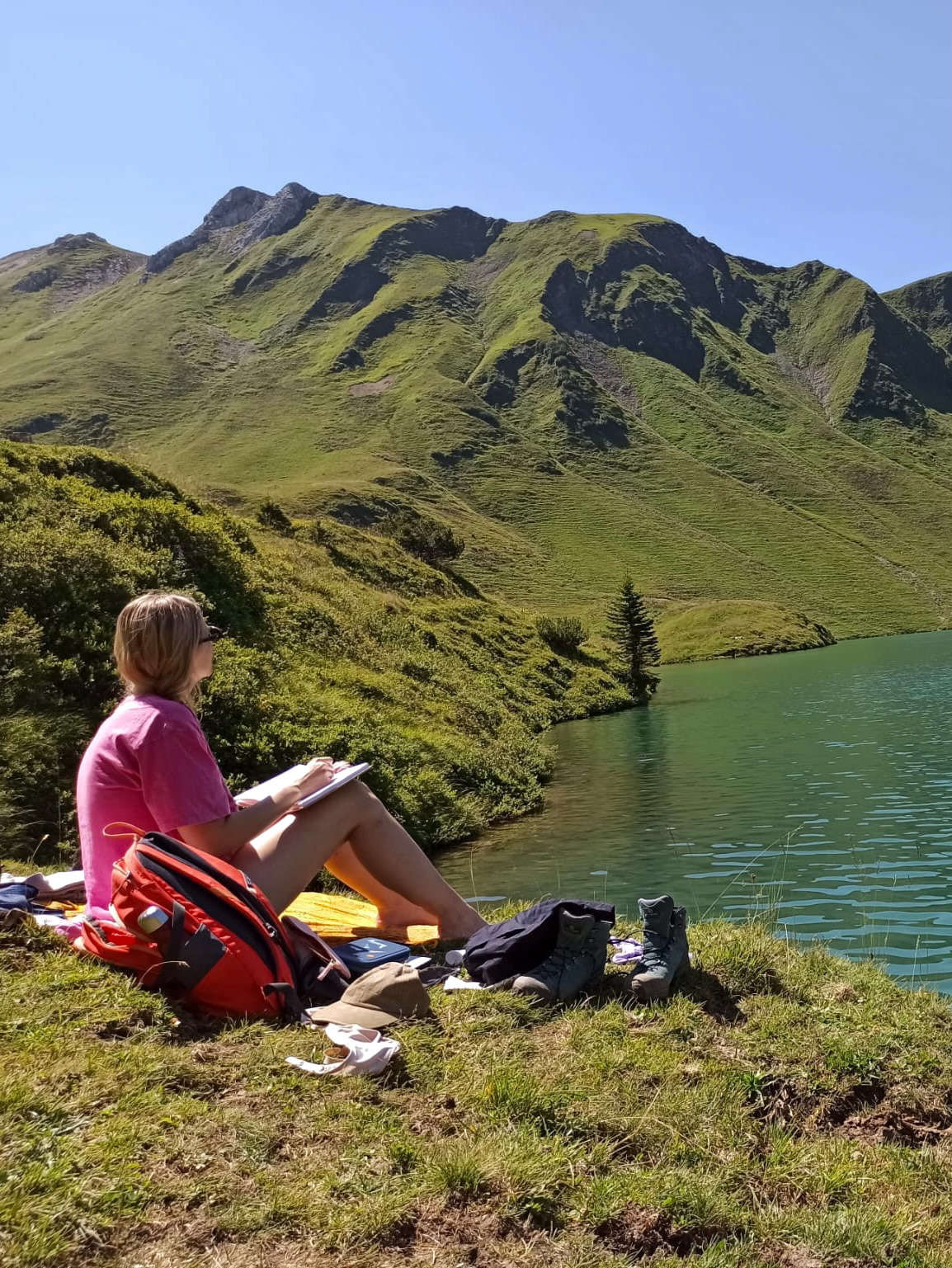
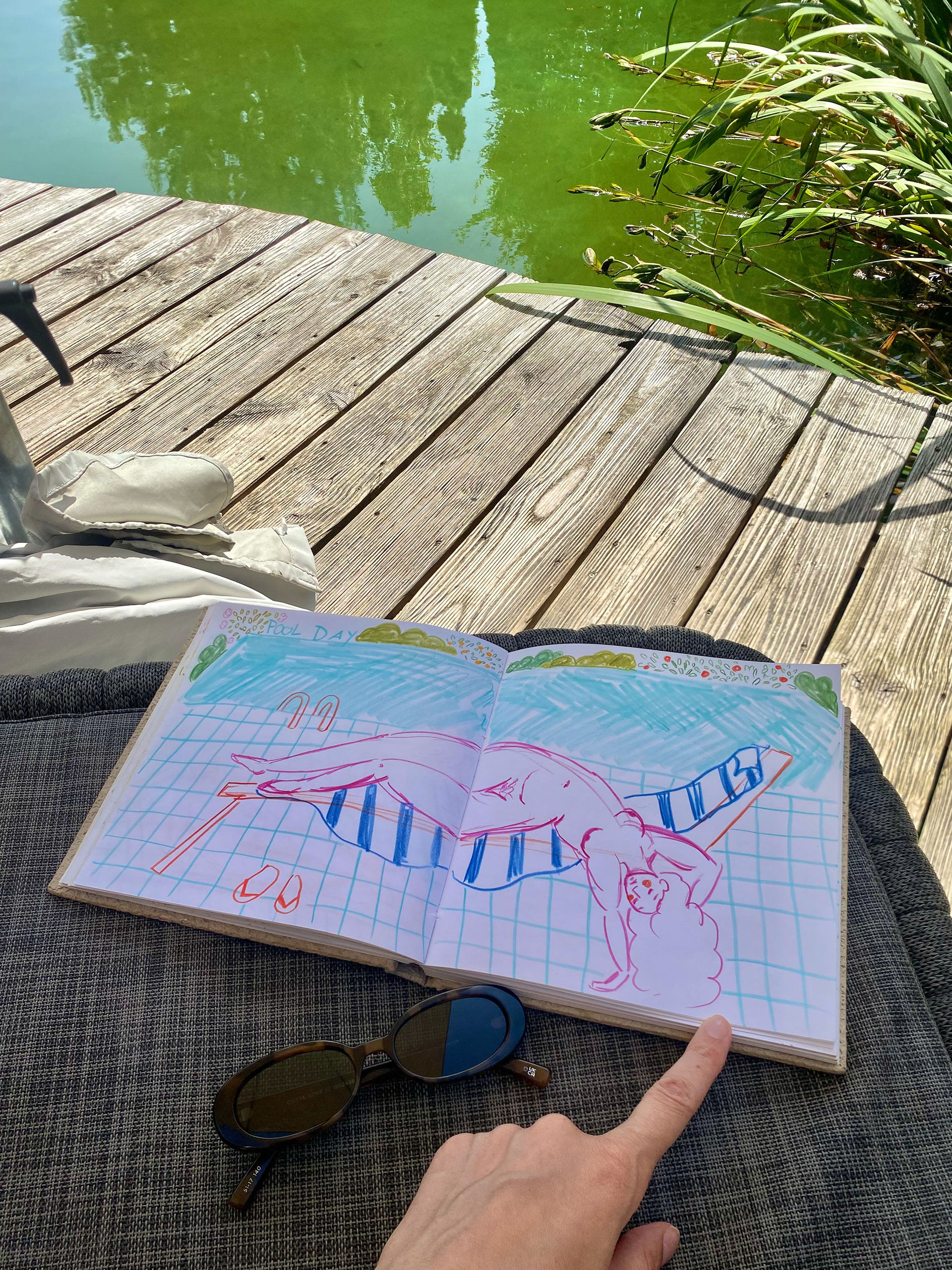
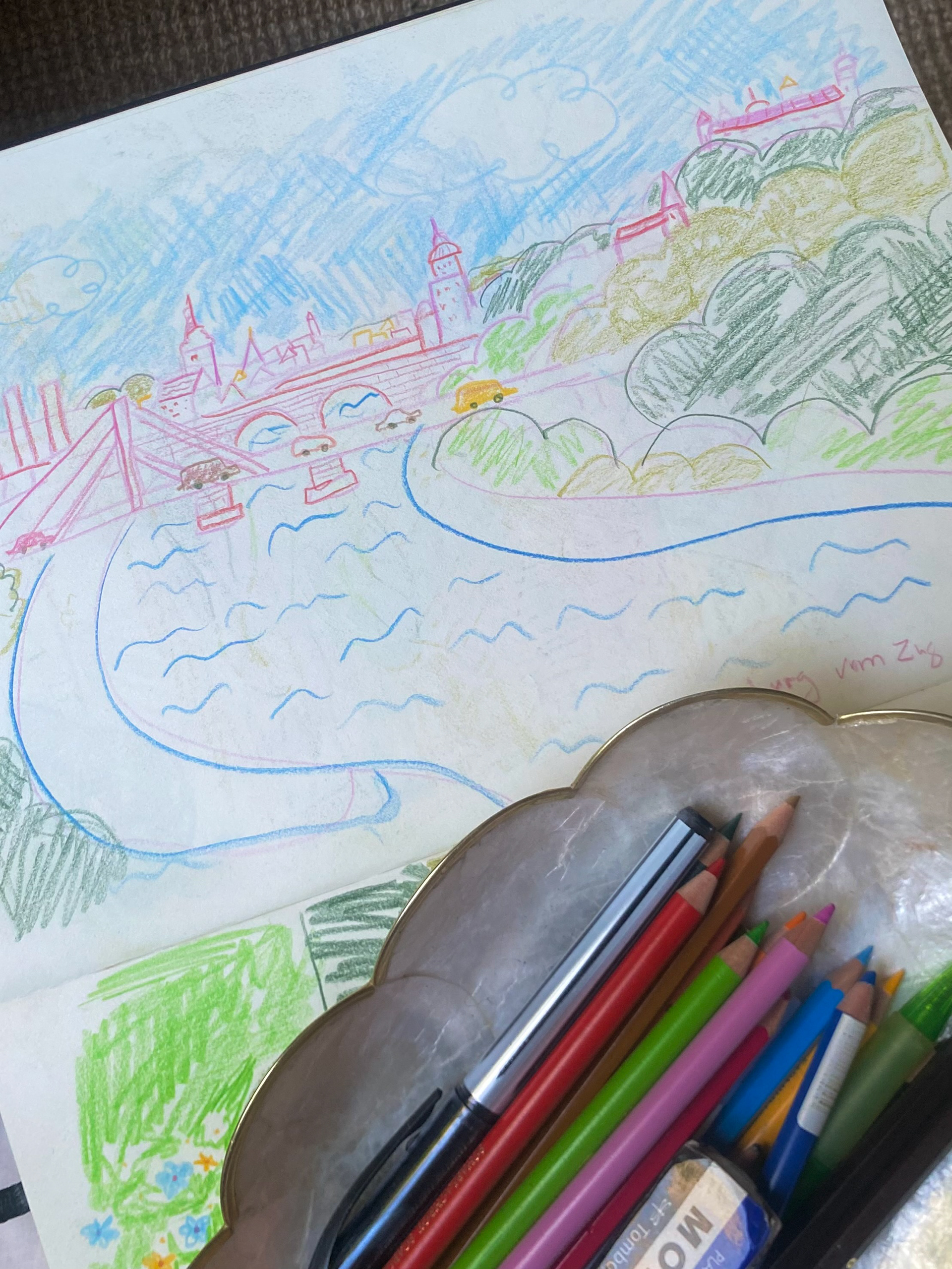
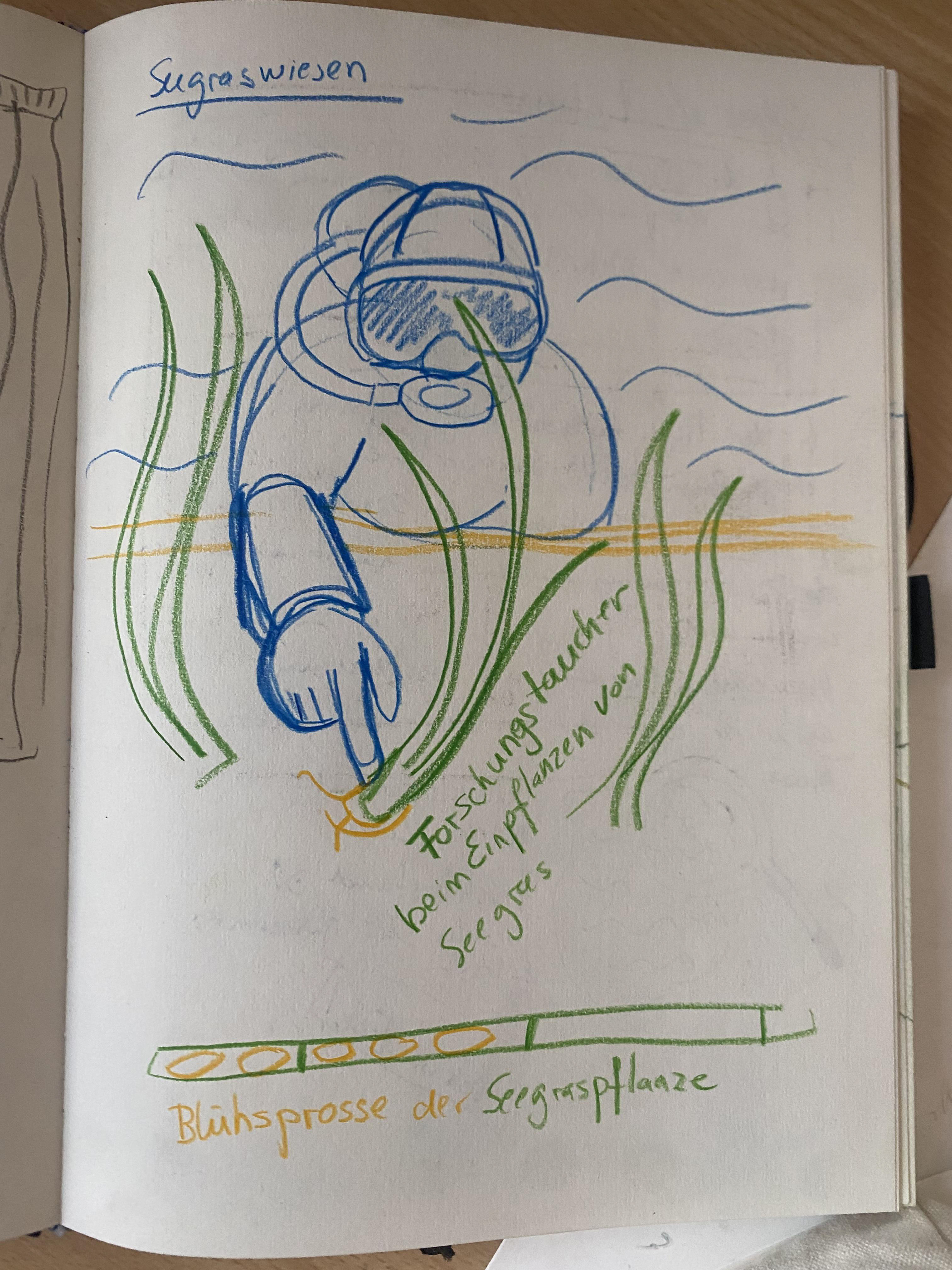
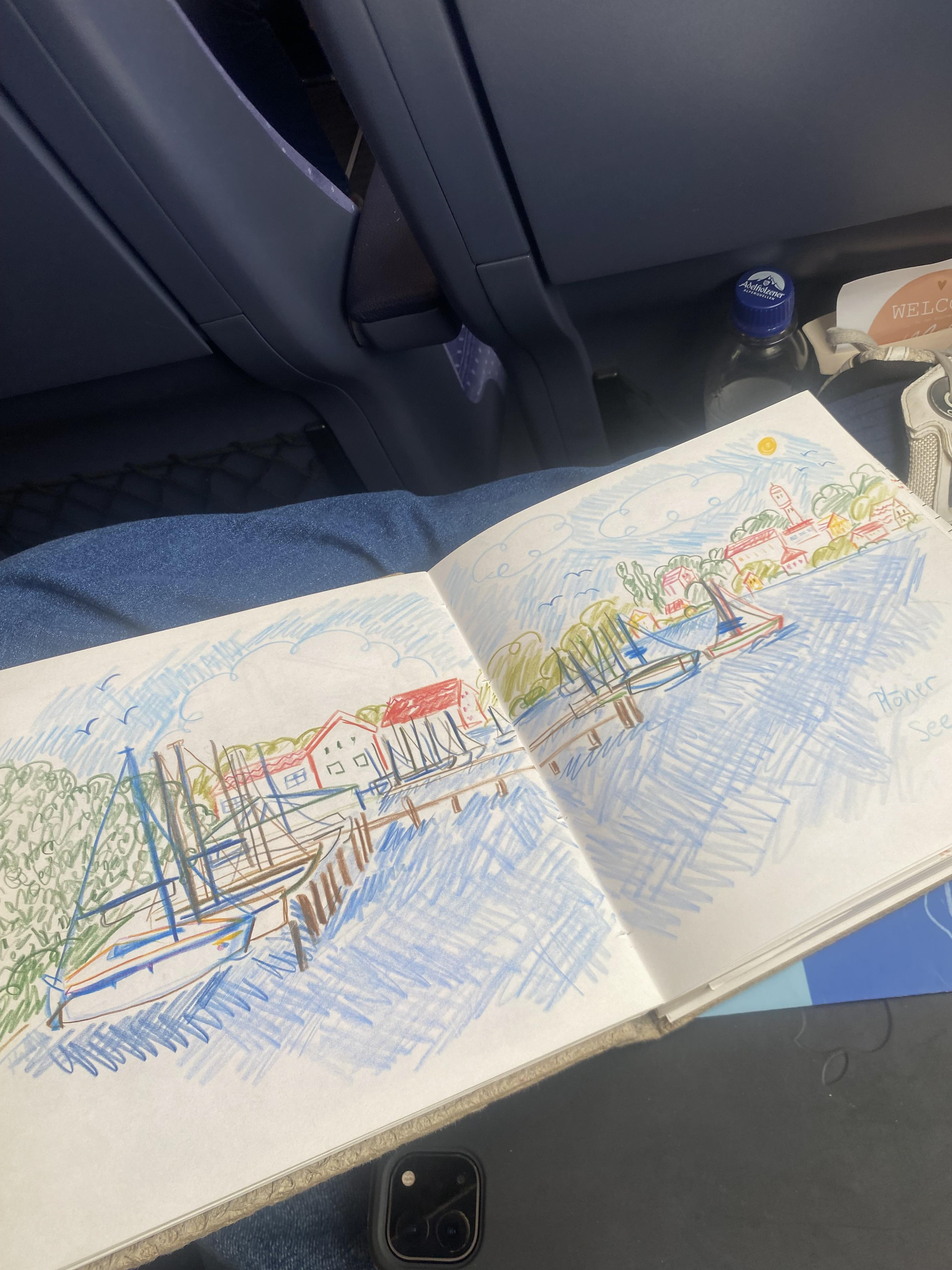
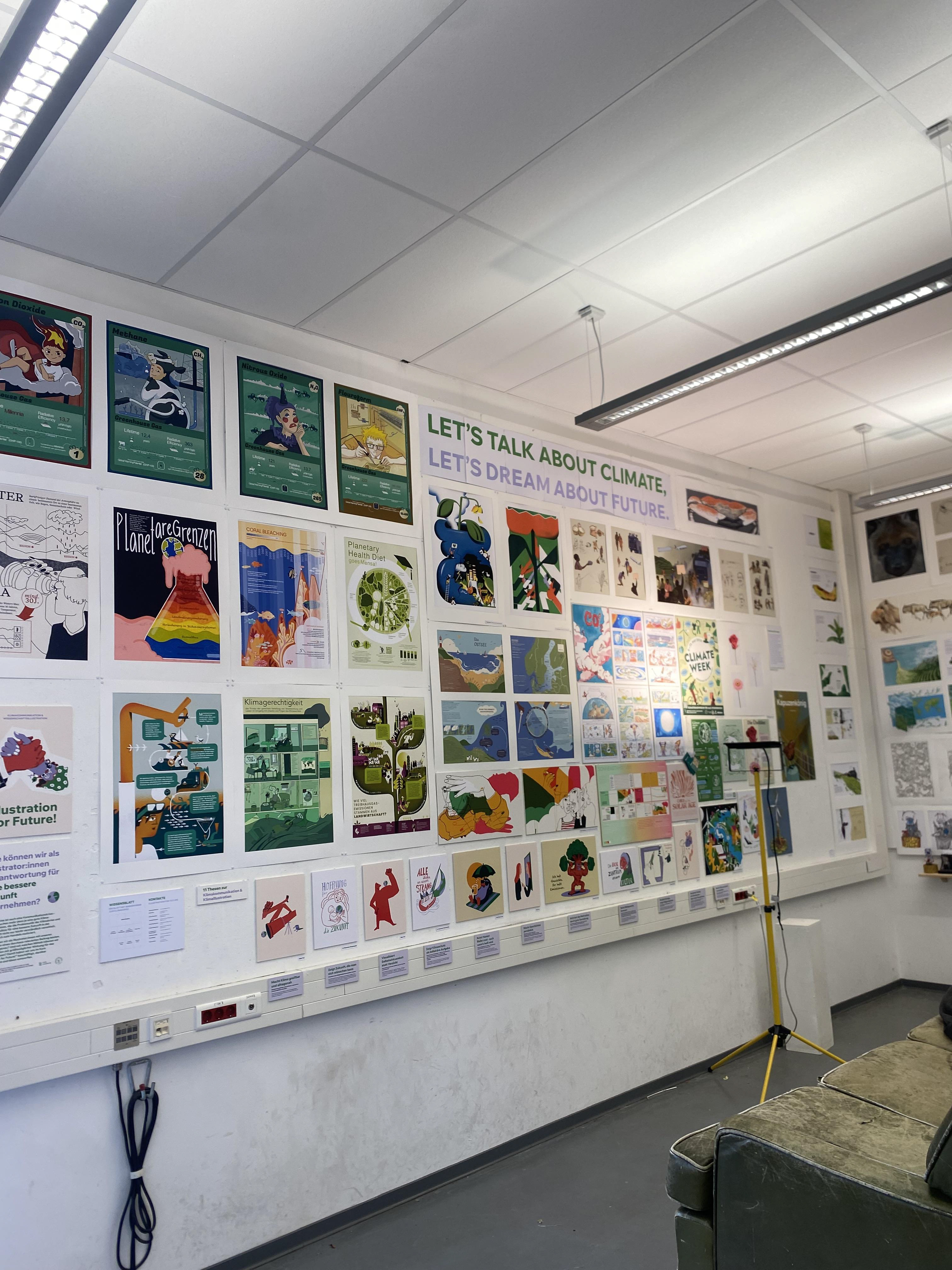
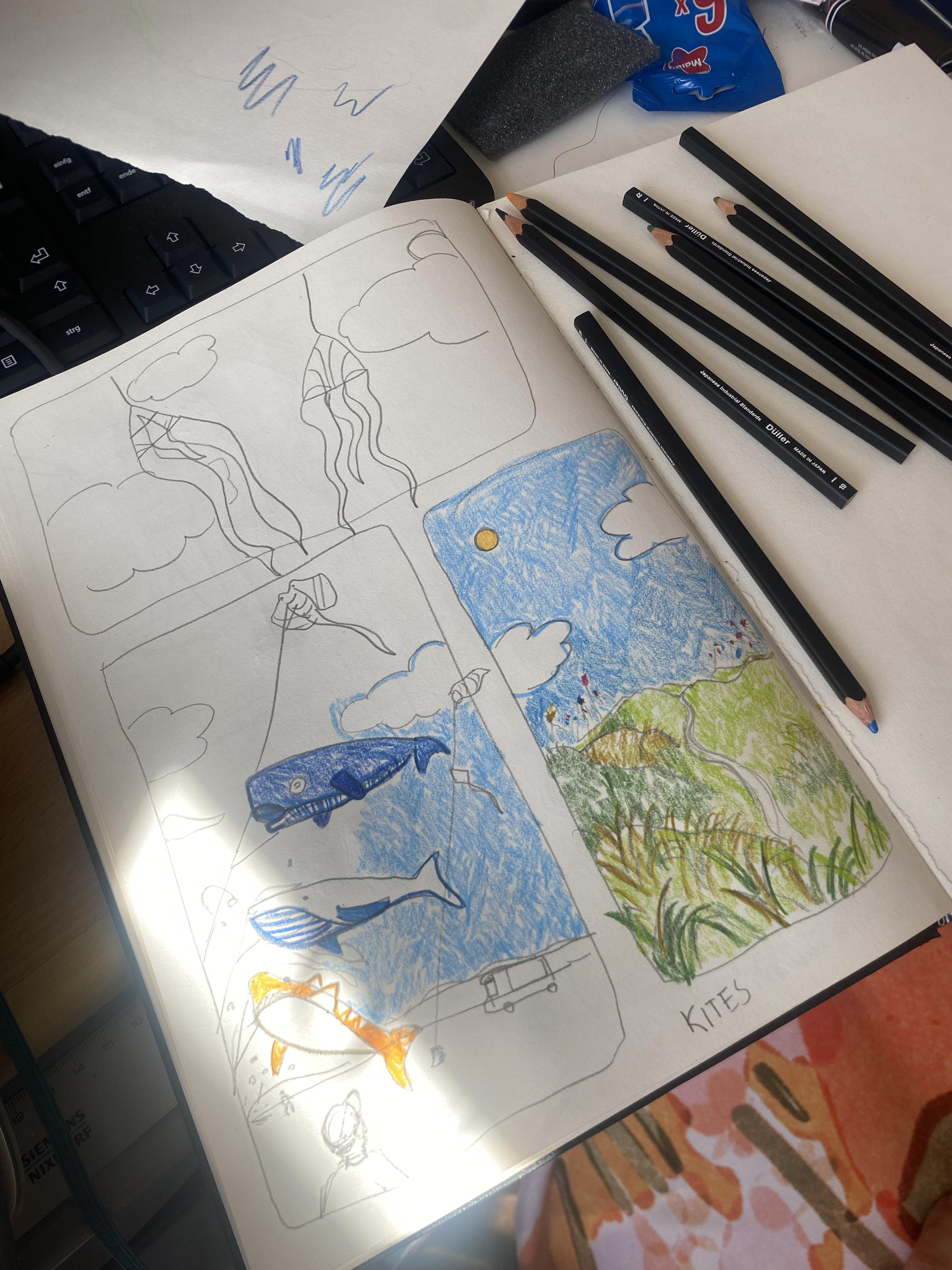
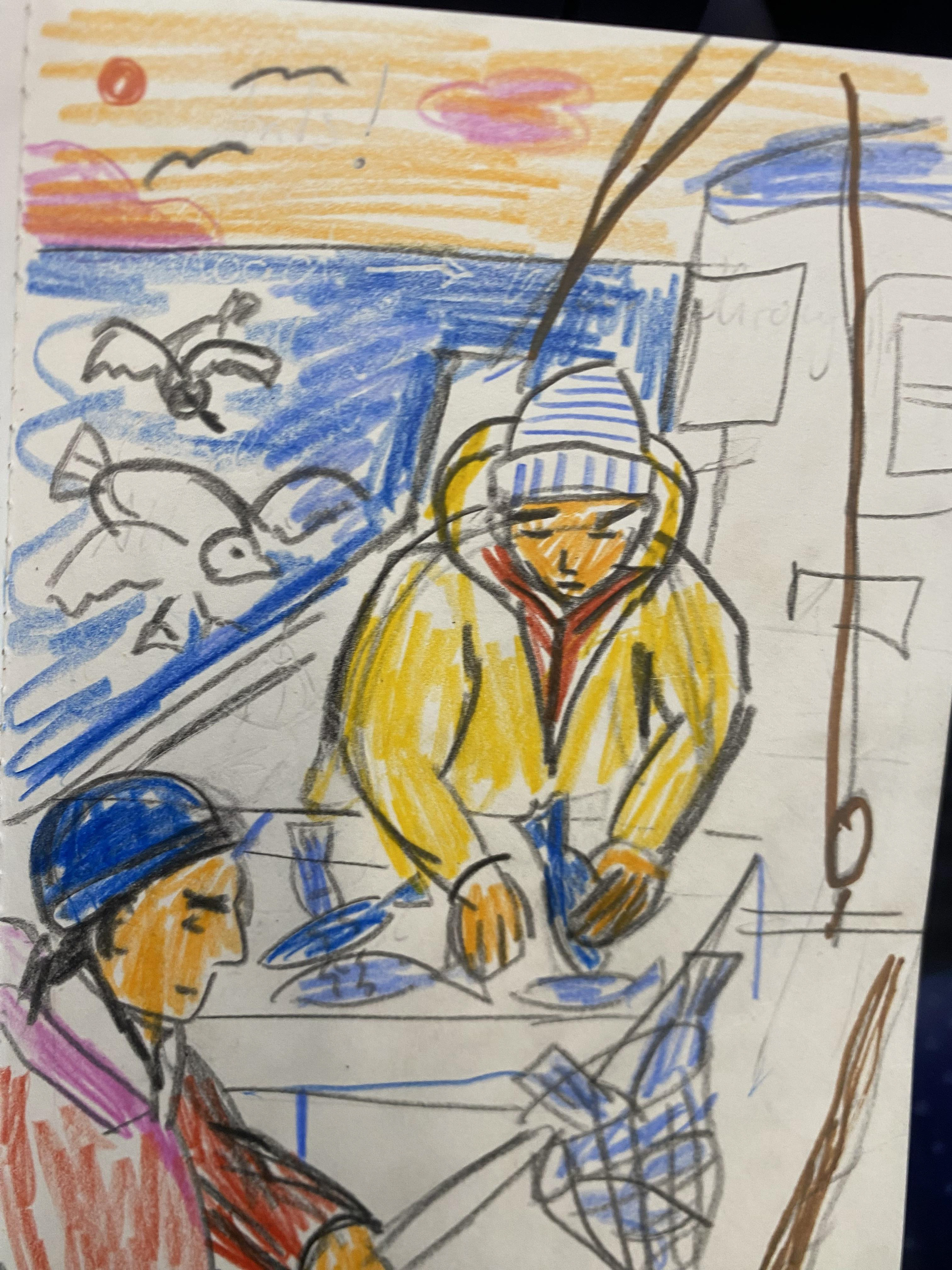
Here is a little overview of a few recent illustration project. I also included some personal analog sketches
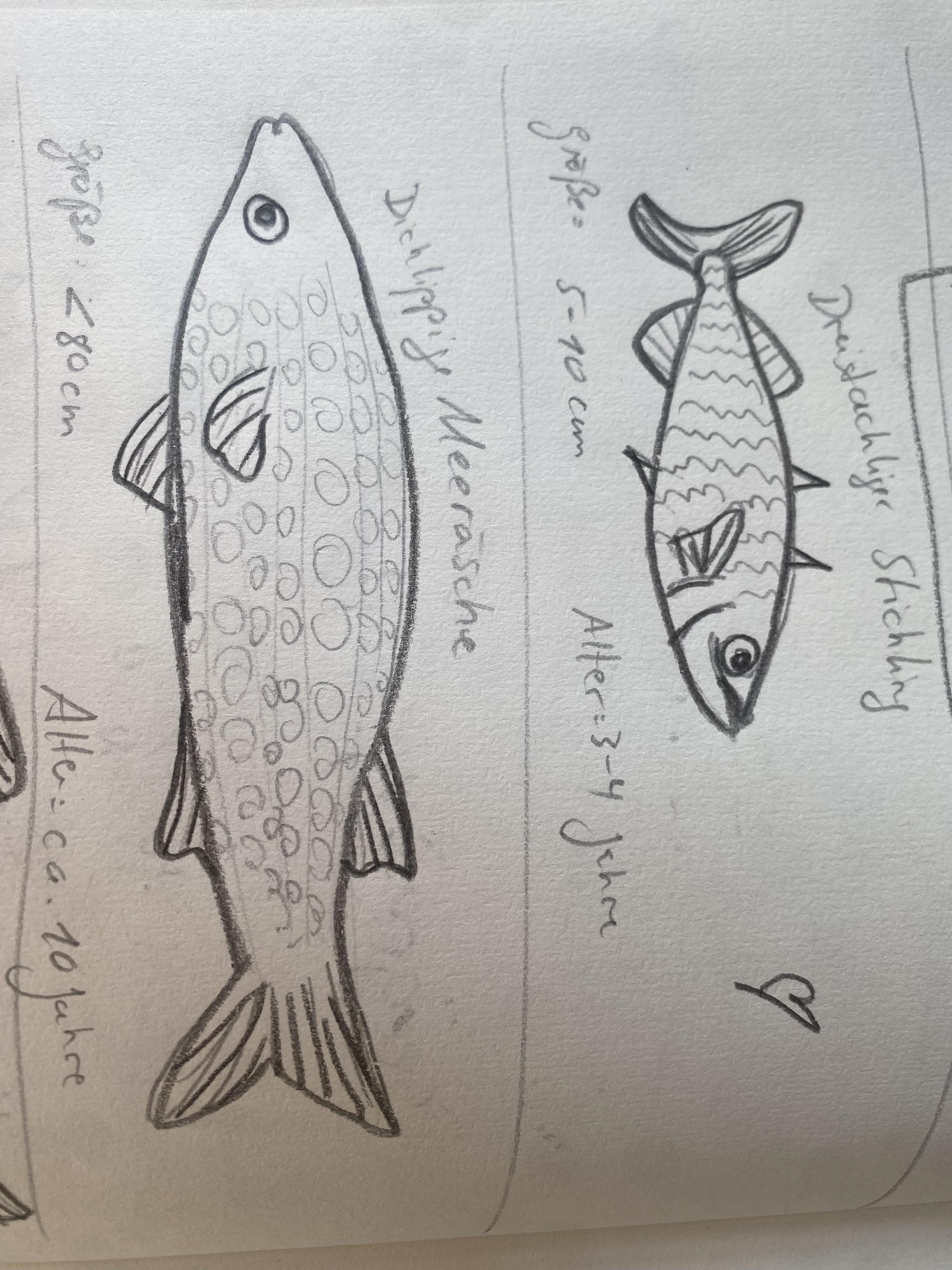
Personal Sketches
ILMA Magazine
(awarded the Karl H. Ditze Prize, 2005)
What the jury says:
The project impresses with its exceptional team size and outstanding coordination: over 40 students worked closely together over two semesters toward a shared goal.
The collaboration with the Hamburg State and University Library — a central institution in the city’s cultural and creative life — adds further significance to the endeavor.
Particularly noteworthy is that the students’ work became publicly visible as part of the literary festival “Hamburg Reads the Elbe.” The contributions — ranging from comics and reports to literary illustrations and infographics — paint a multifaceted, artistically and thematically profound portrait of the Elbe.
They give the river a visual voice and combine scientific curiosity with narrative power.
The project exemplifies how student engagement, institutional collaboration, and cultural relevance can intertwine — resulting in an impact that extends far beyond academic study.
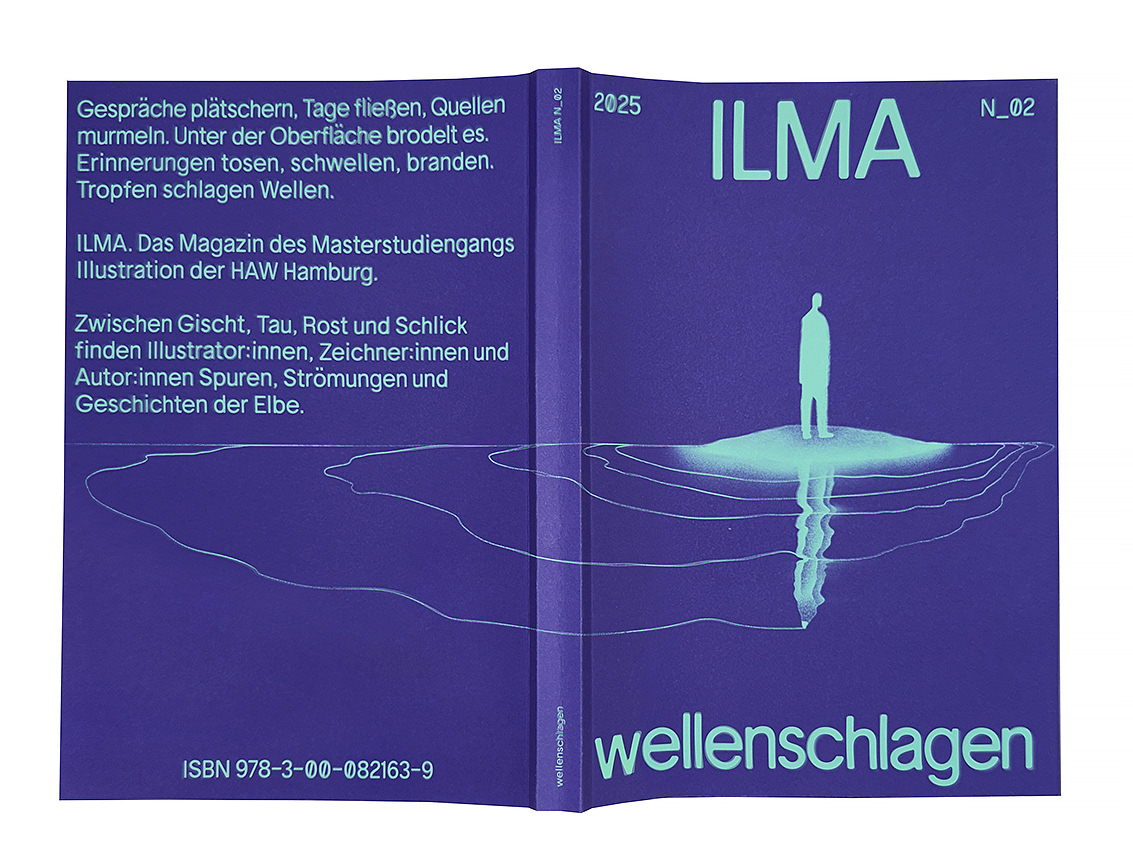
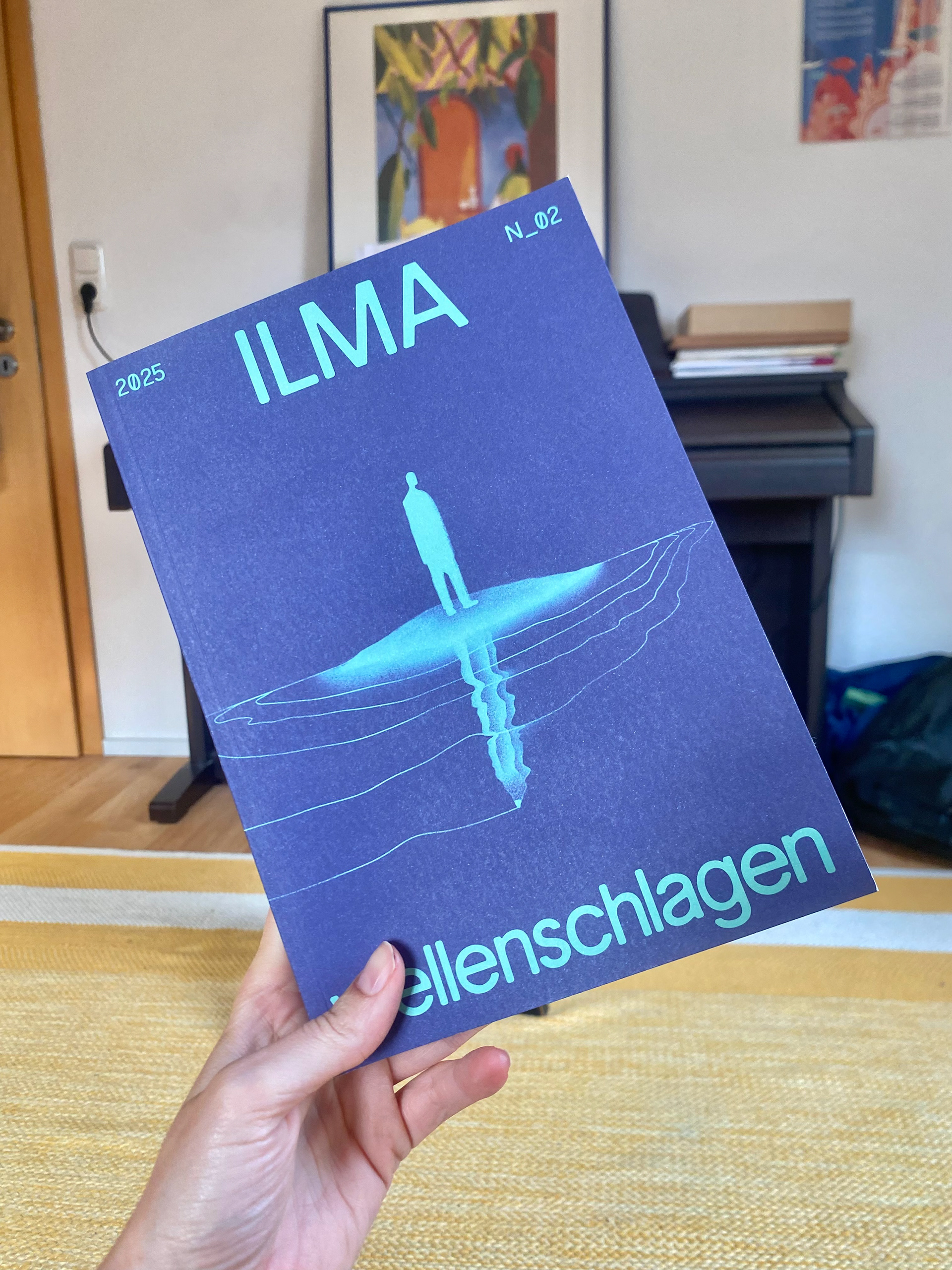
Conversations ripple, days flow, springs murmur. Beneath the surface, it seethes. Memories roar, swell, surge.
Drops create waves.
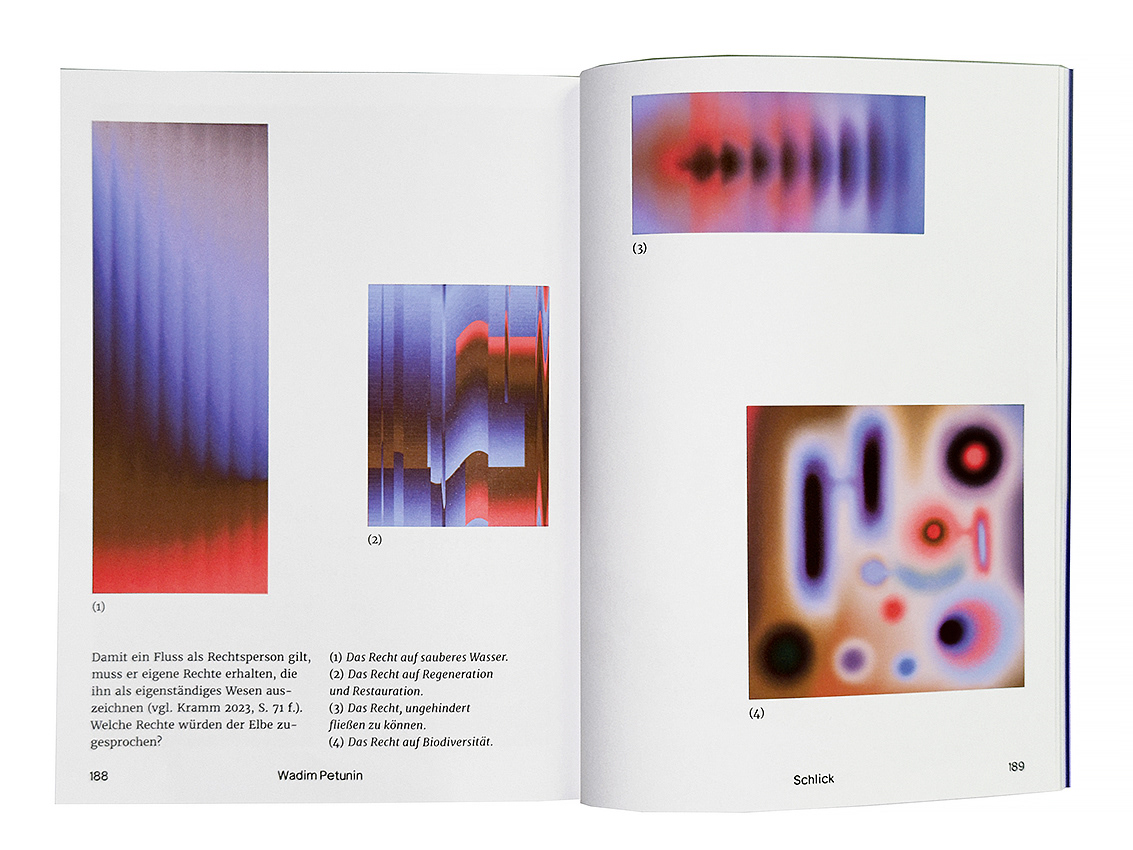
ILMA. The magazine of the Master's program in Illustration at HAW Hamburg.
Amid spray, dew, rust, and silt, illustrators, artists, and authors discover traces, currents, and stories of the Elbe.
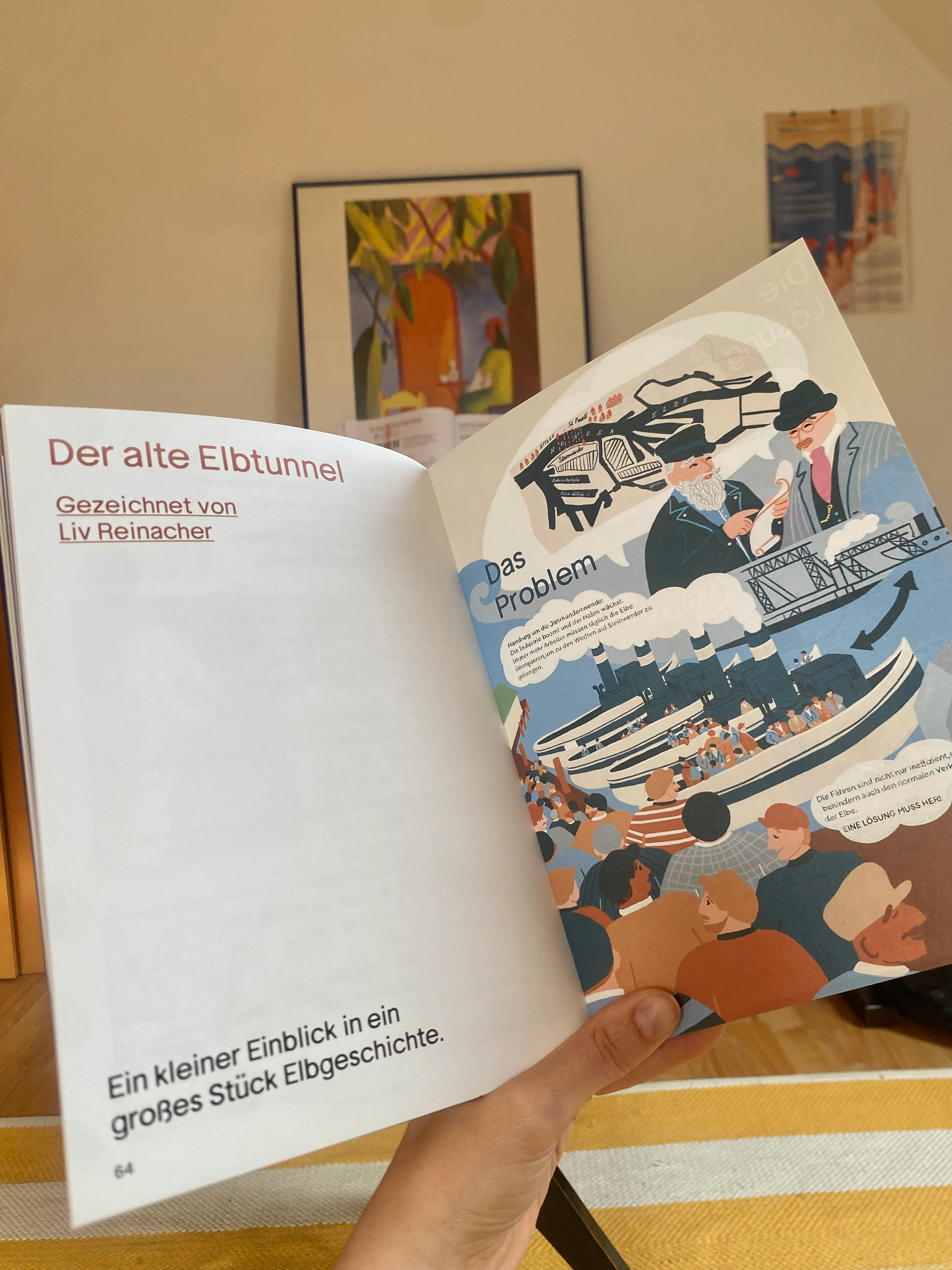
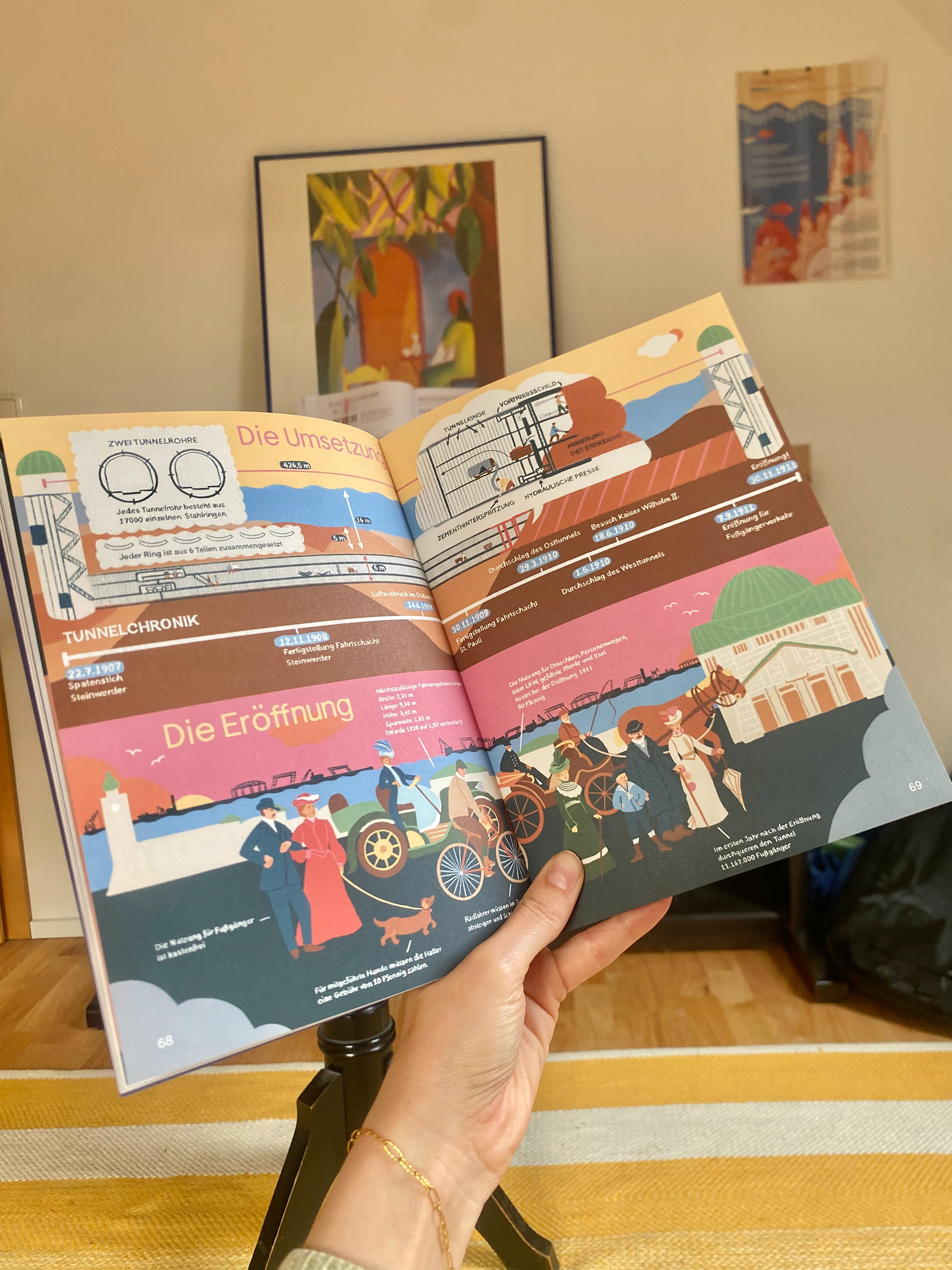
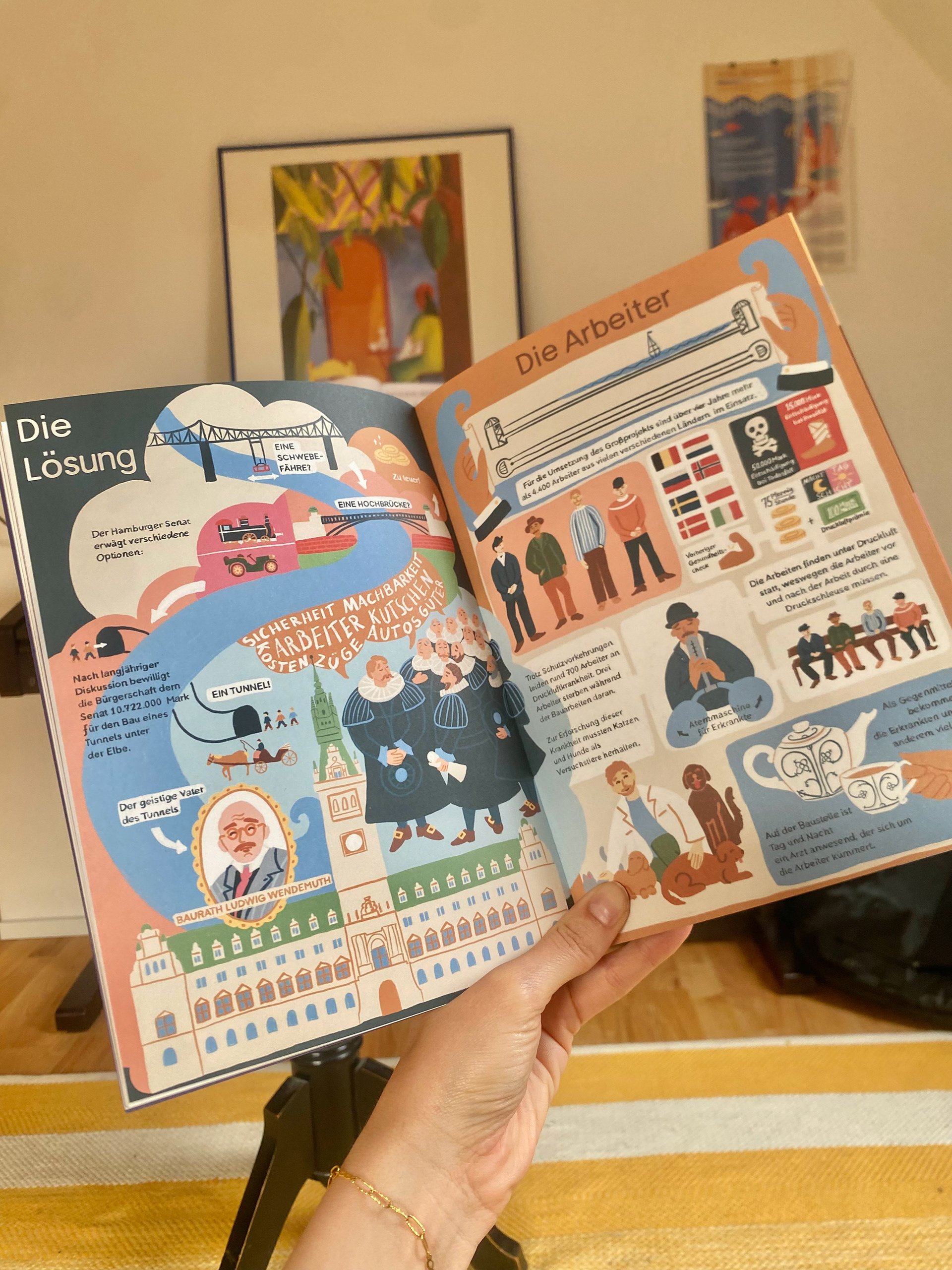
I had the honor of illustrating a six page spread about the first tunnel that was dug under the river. I went into the archives and discovered the technical challenges that had to be mastered by the builders as well as the history around the social and economic changes that it brought about. The focus of this chapter of the magazine was on the relationship of the citizens of Hamburg to the Elbe.
Fishing Practices in the Wester Baltic Sea
(in collaboration with the GEOMAR Centre for Ocean Research Kiel)
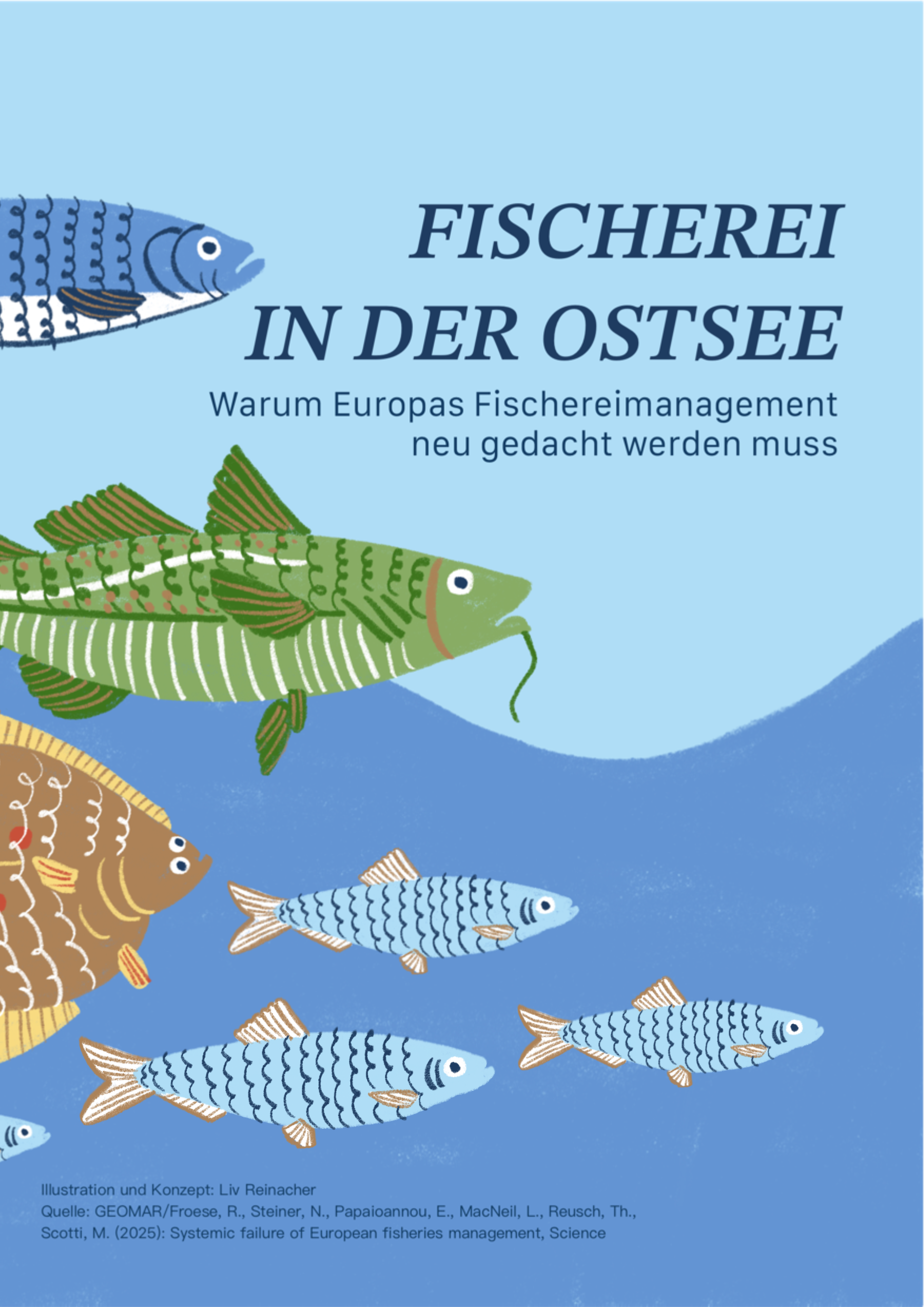
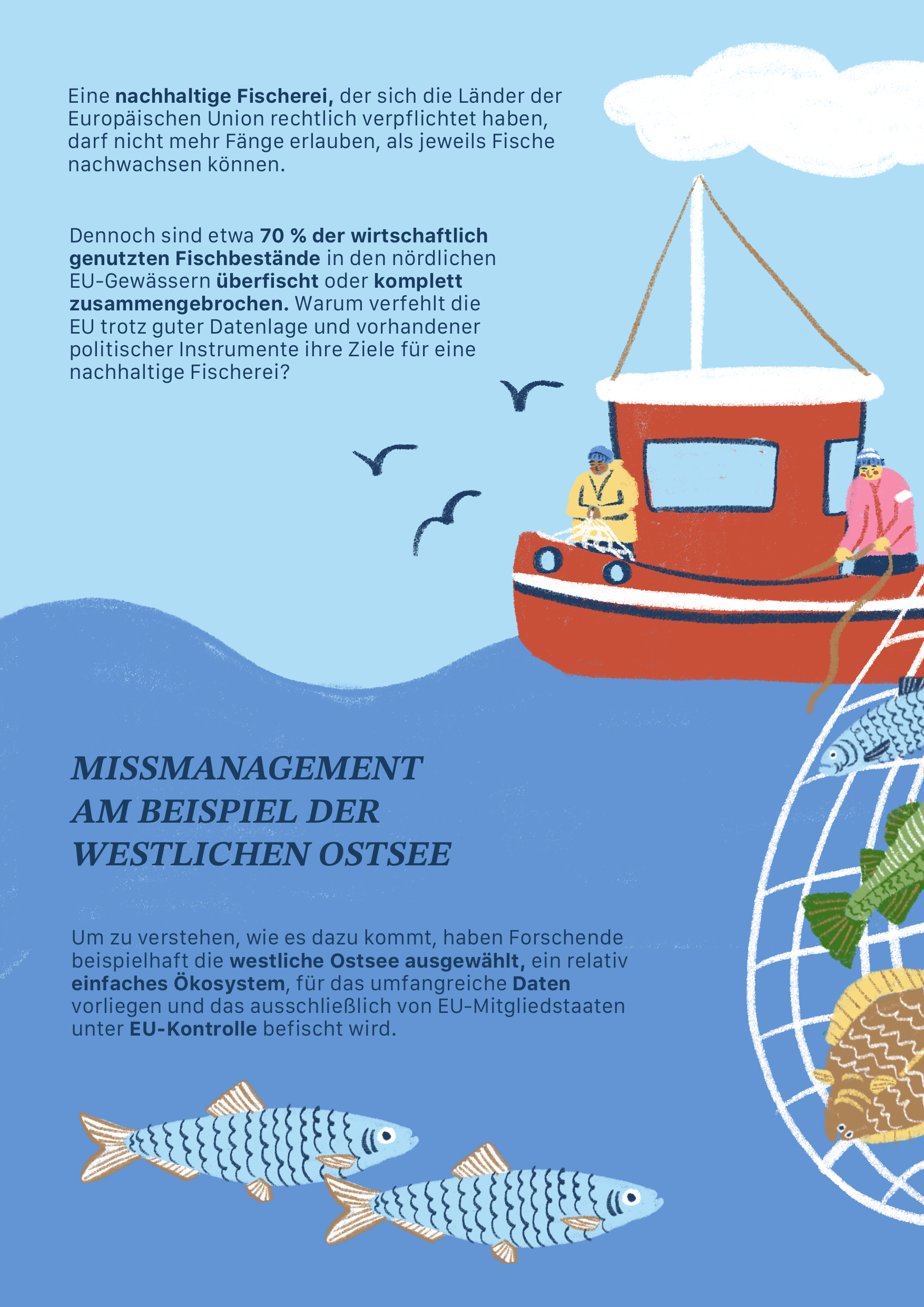
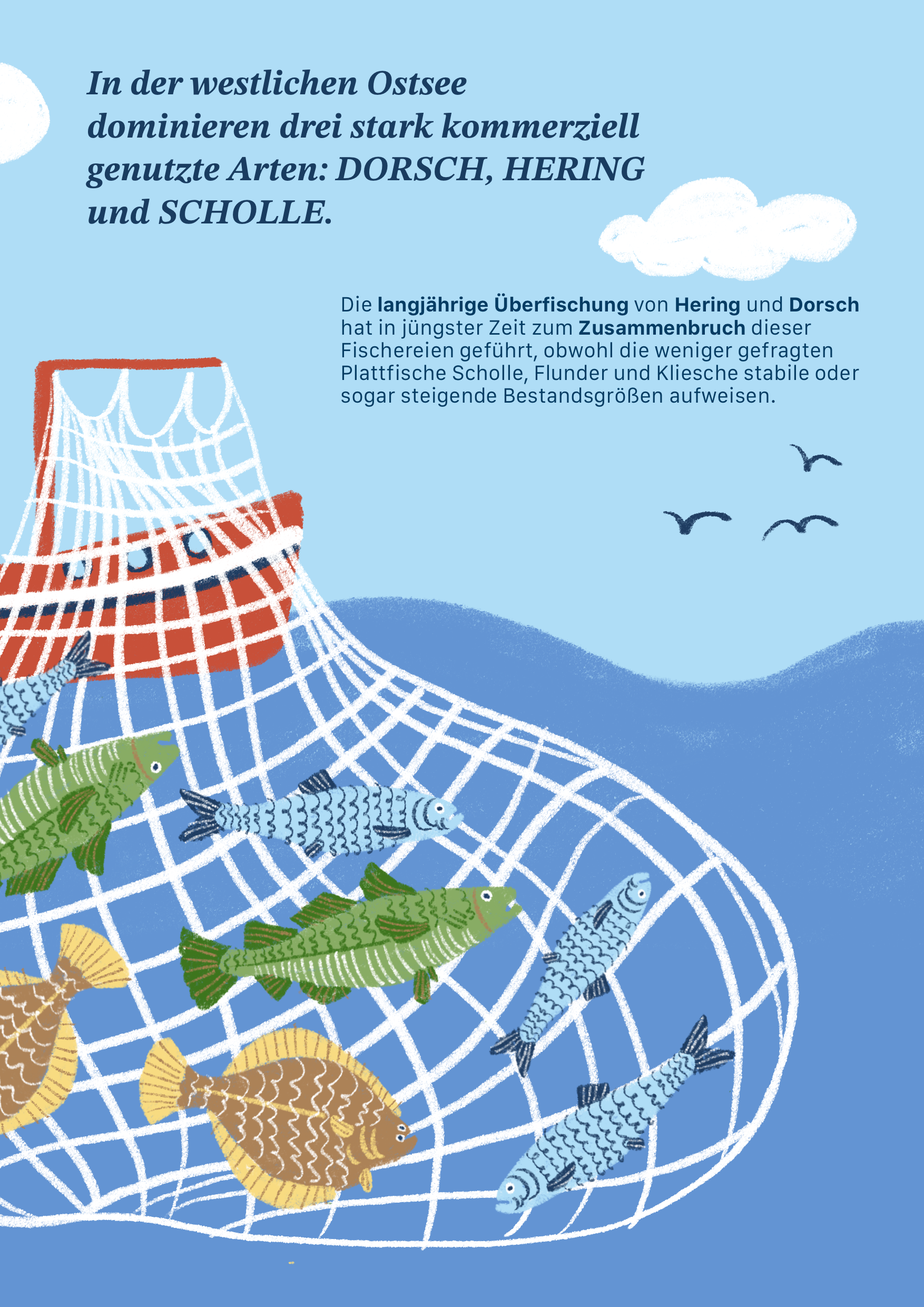
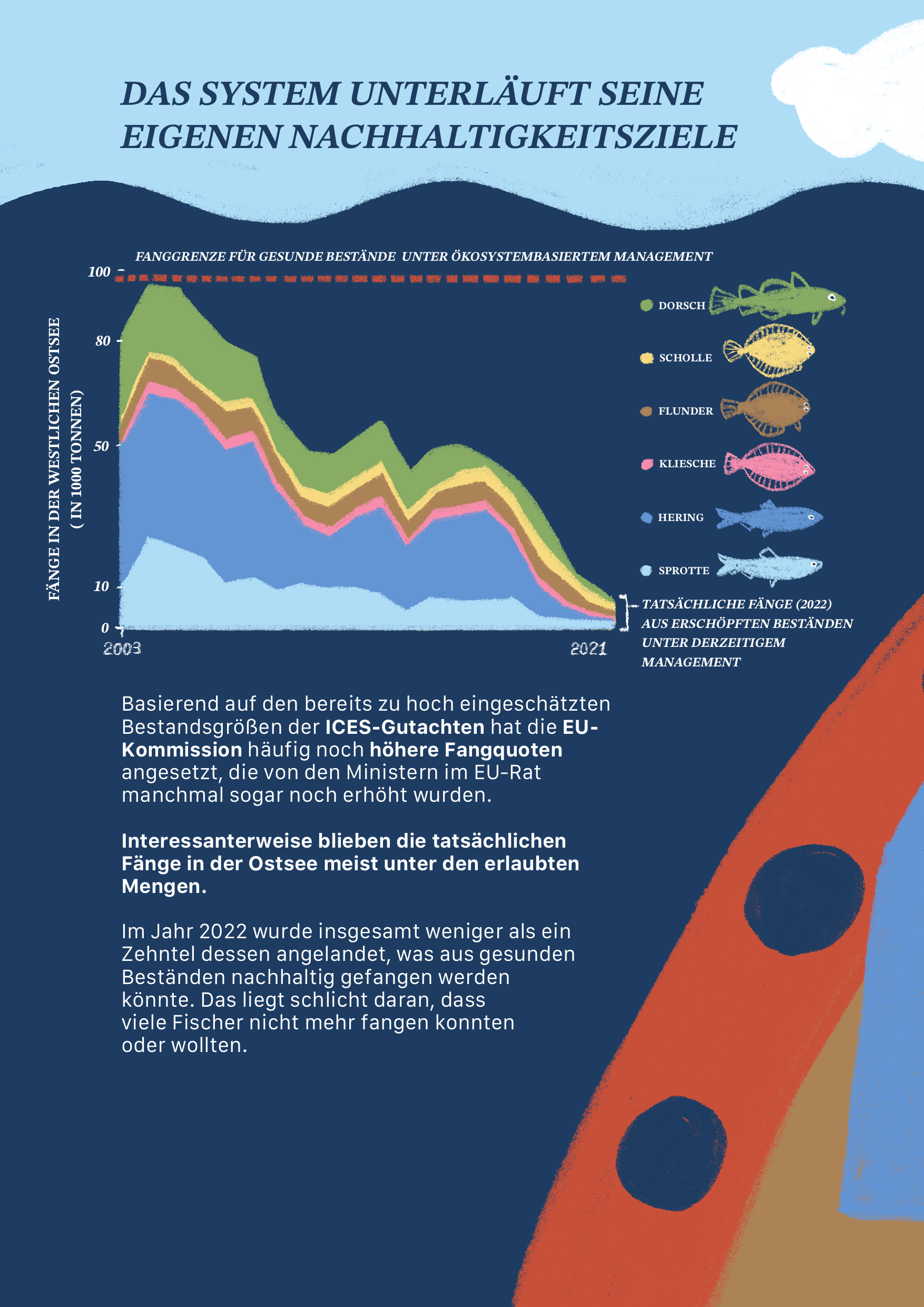
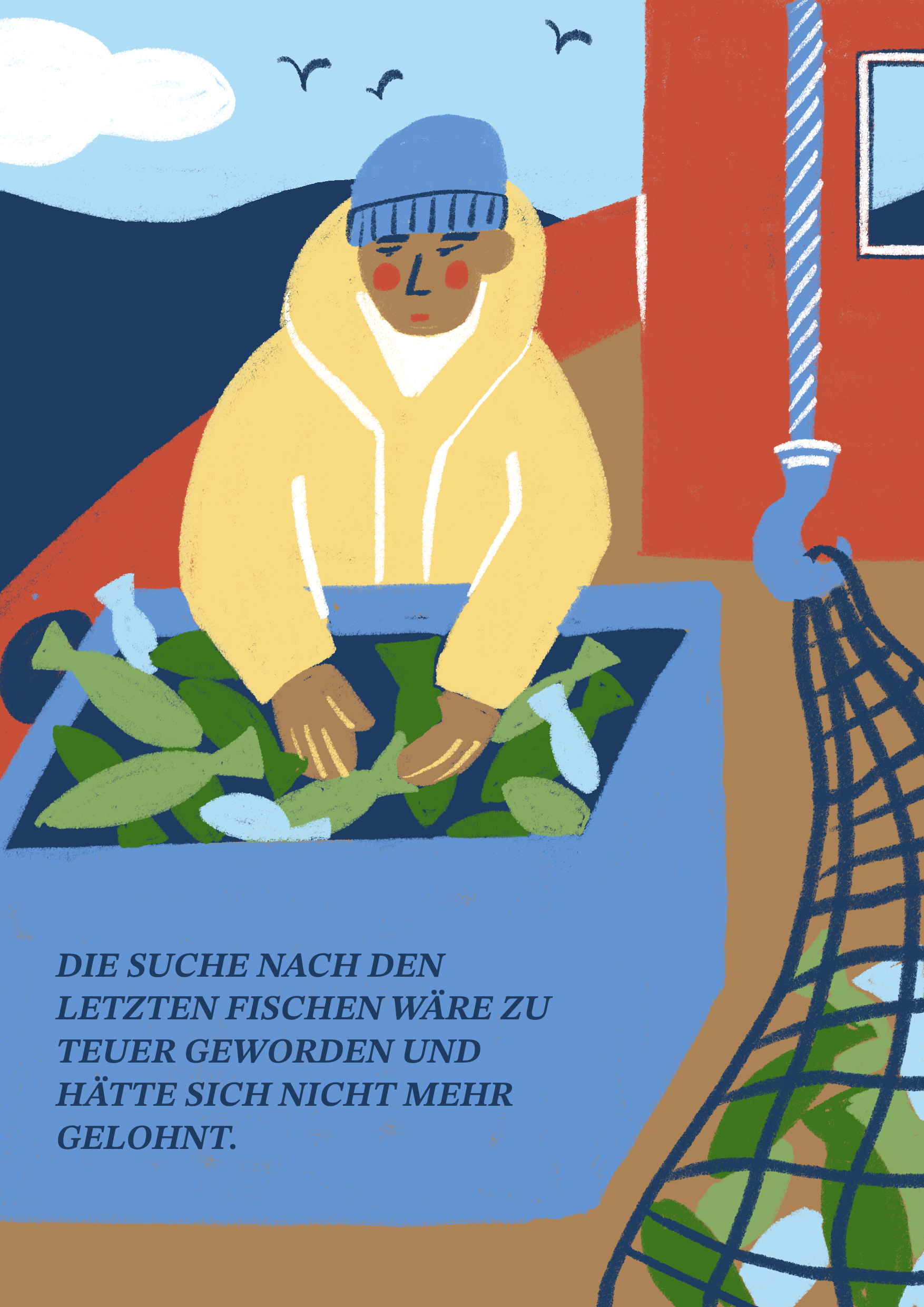
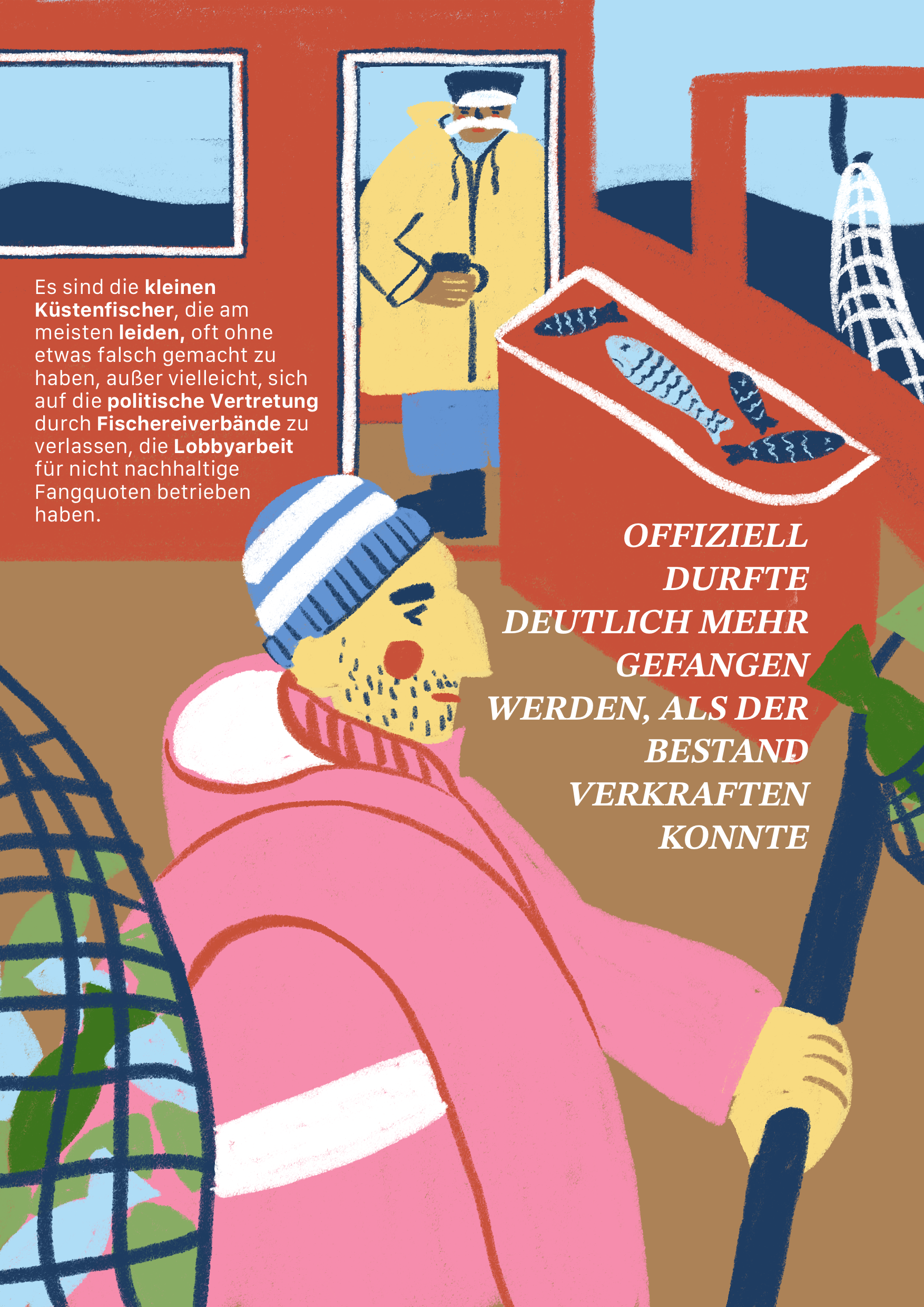
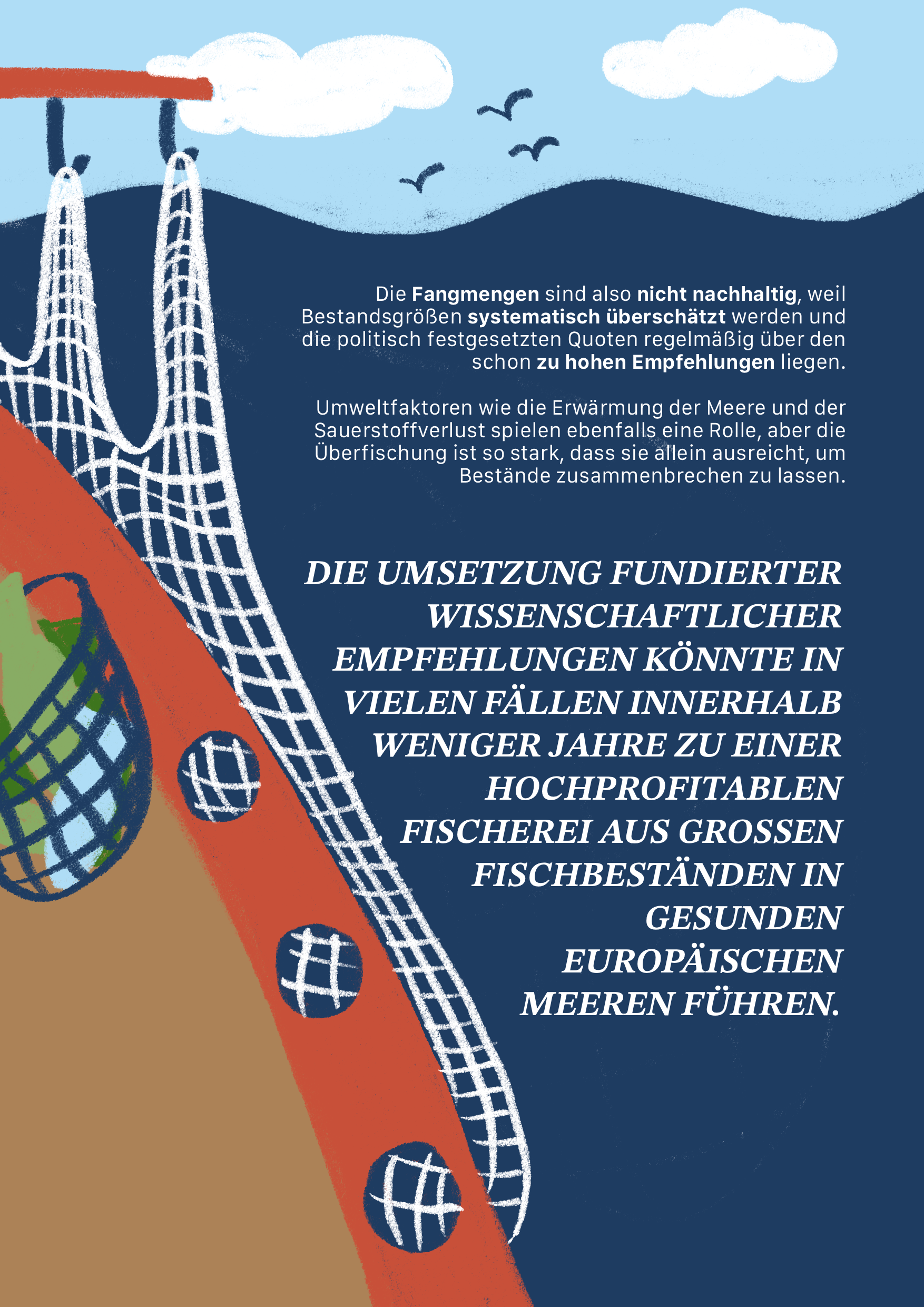
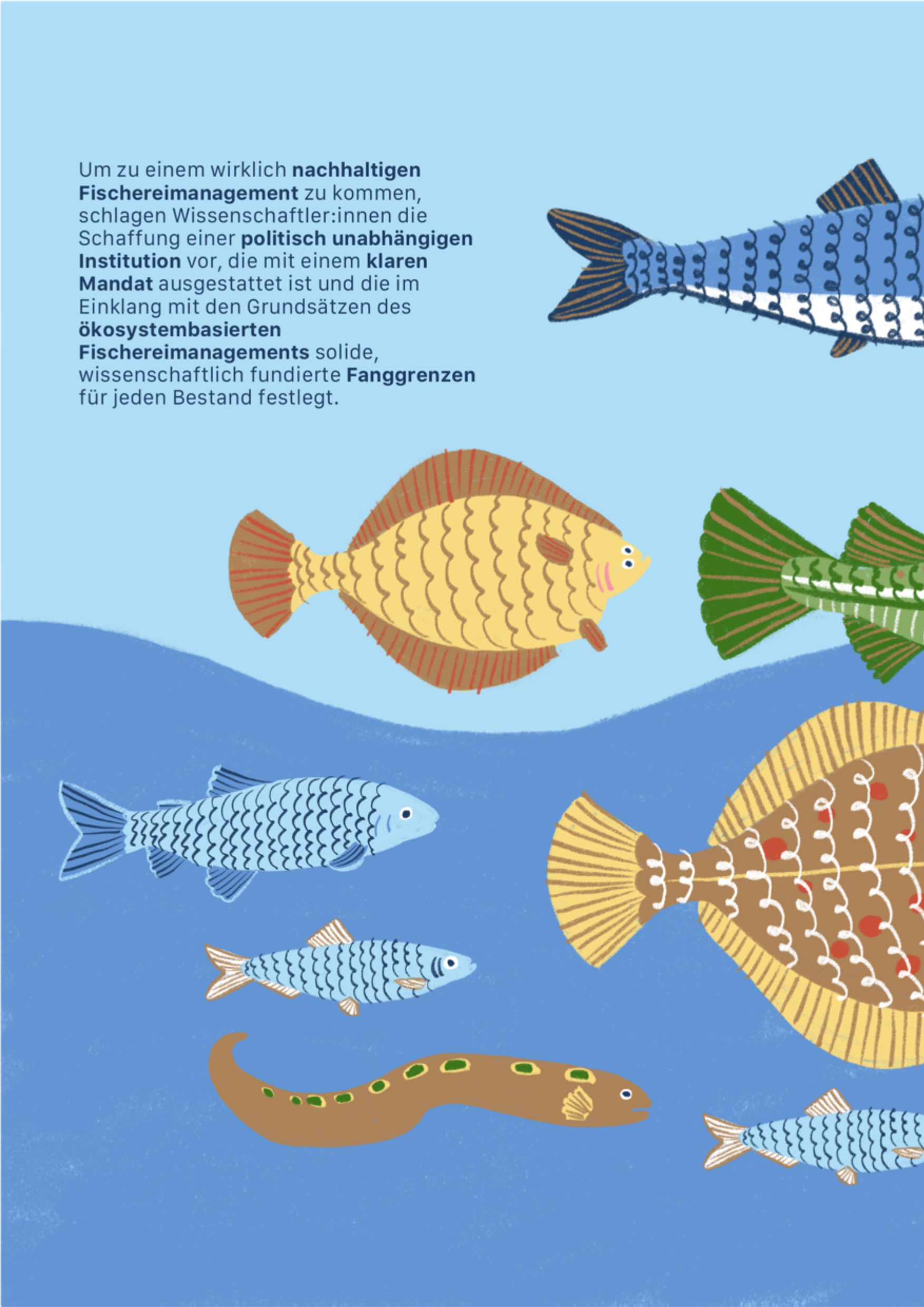
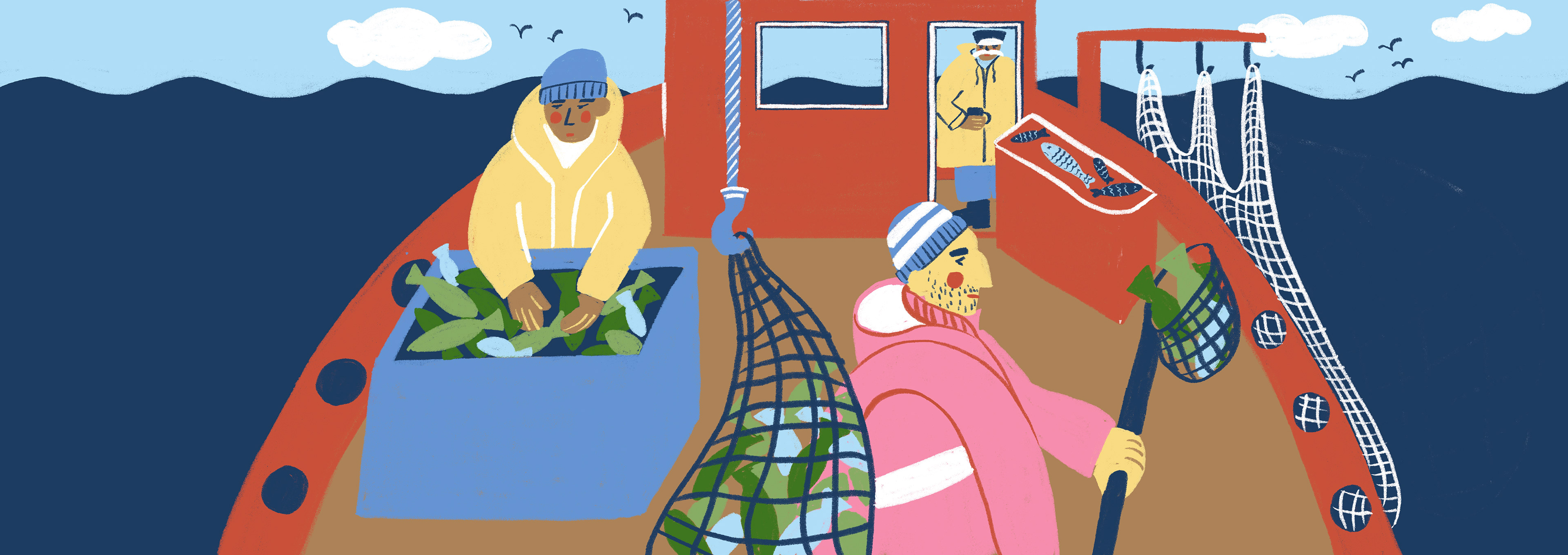
This Project focuses in overfishing in the western waters of the Baltic Sea. It covers the political structures that are allowing this problem to persist and how the fish populations have been affected. It also shows how simple science based management of the fishing restrictions could lead to a much healthier ecosystem that would benefit wildlife and humans.
The campaign is designed to convey the information in a more playful way to engage locals and get them interested in the topic.
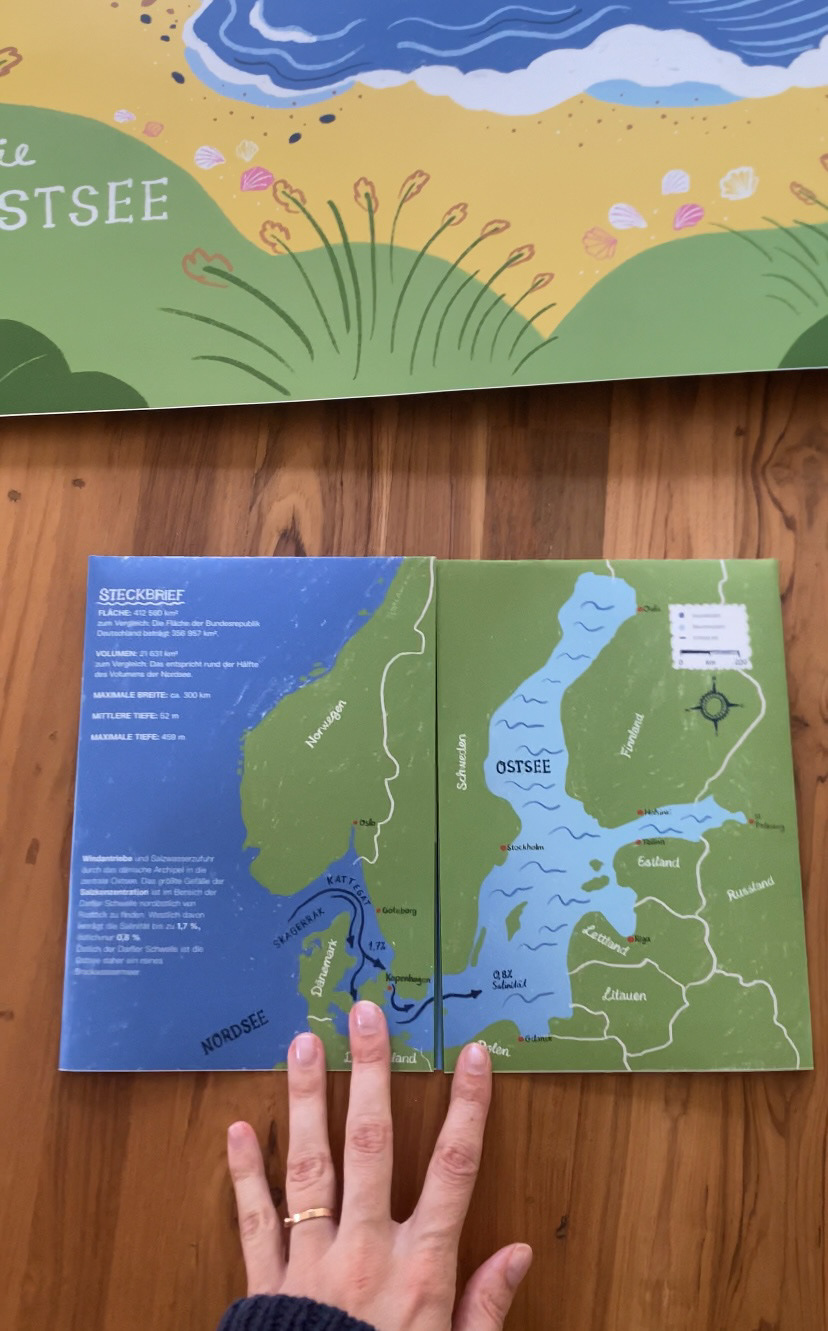
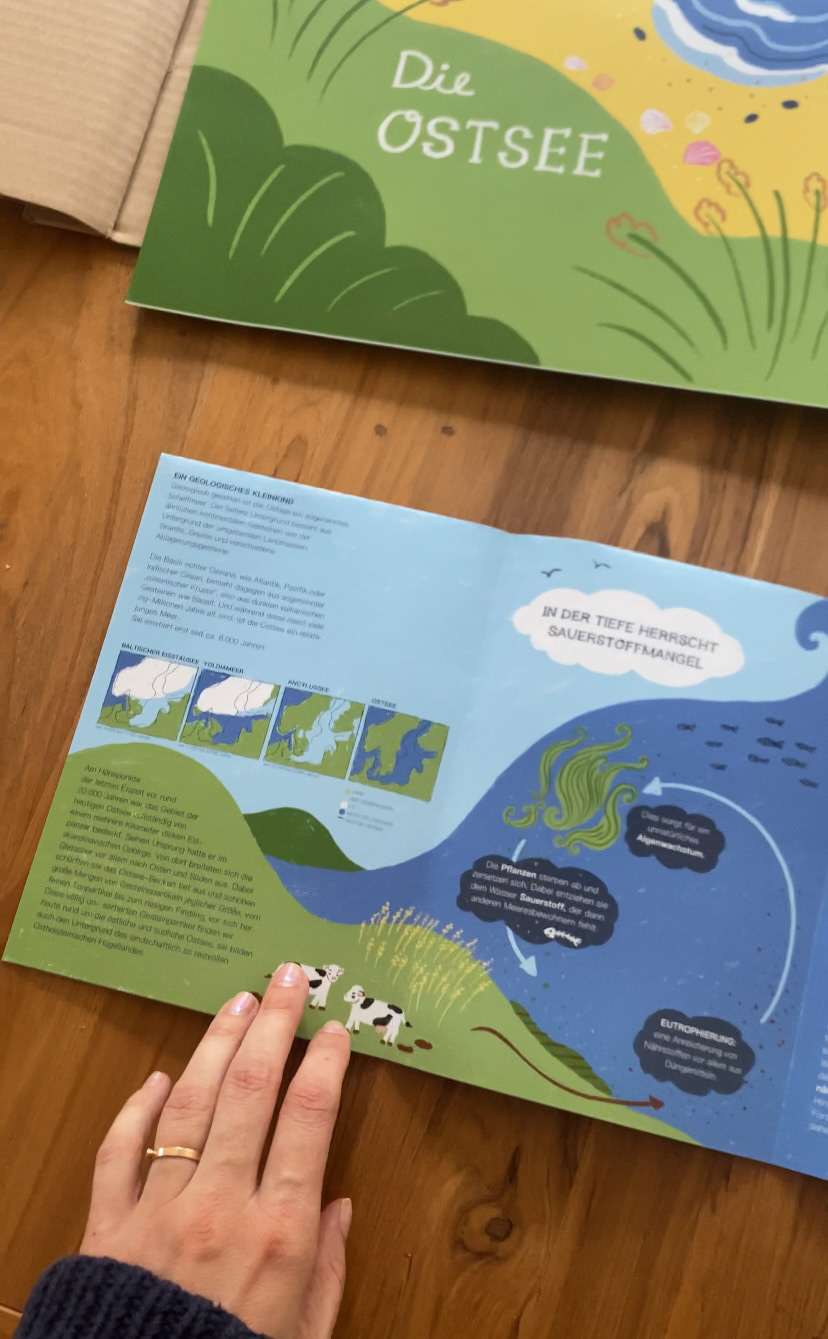
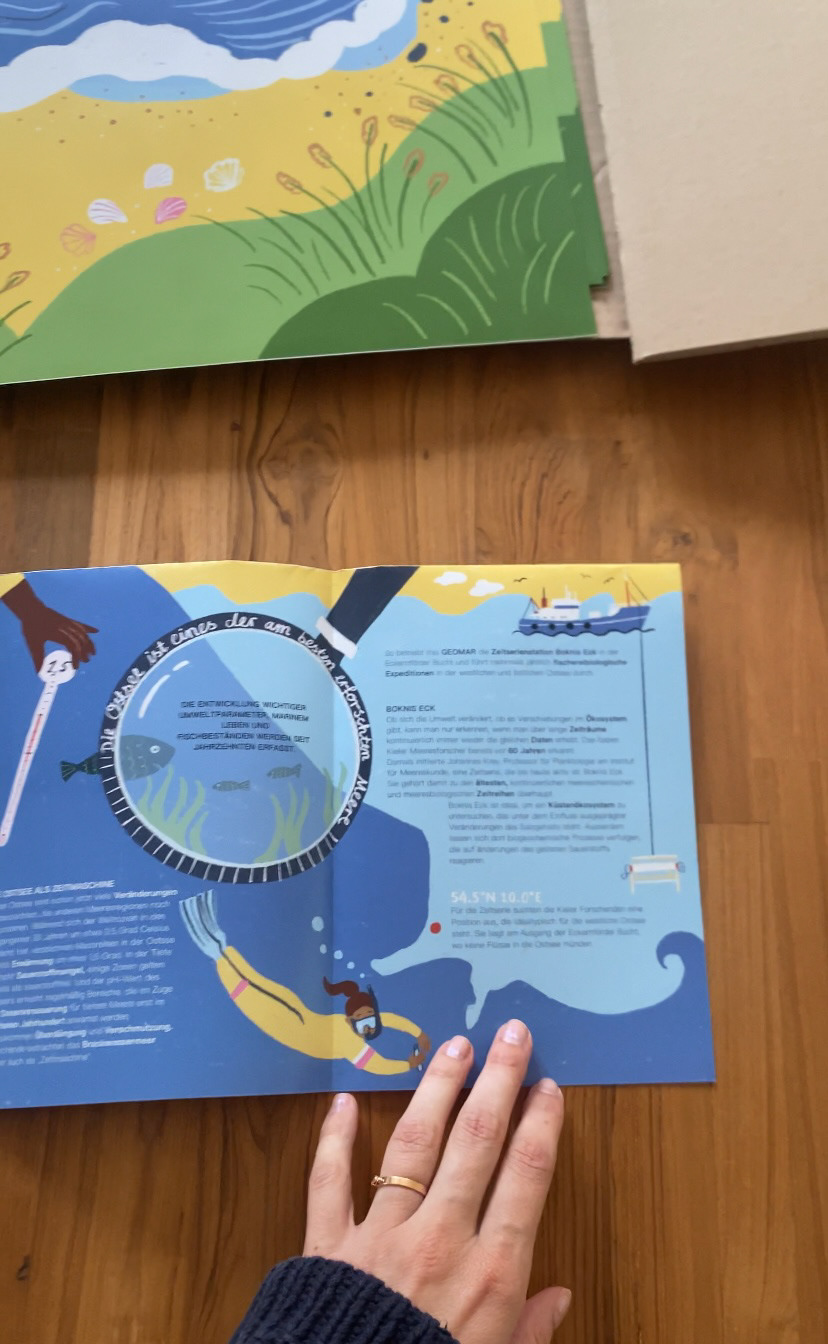
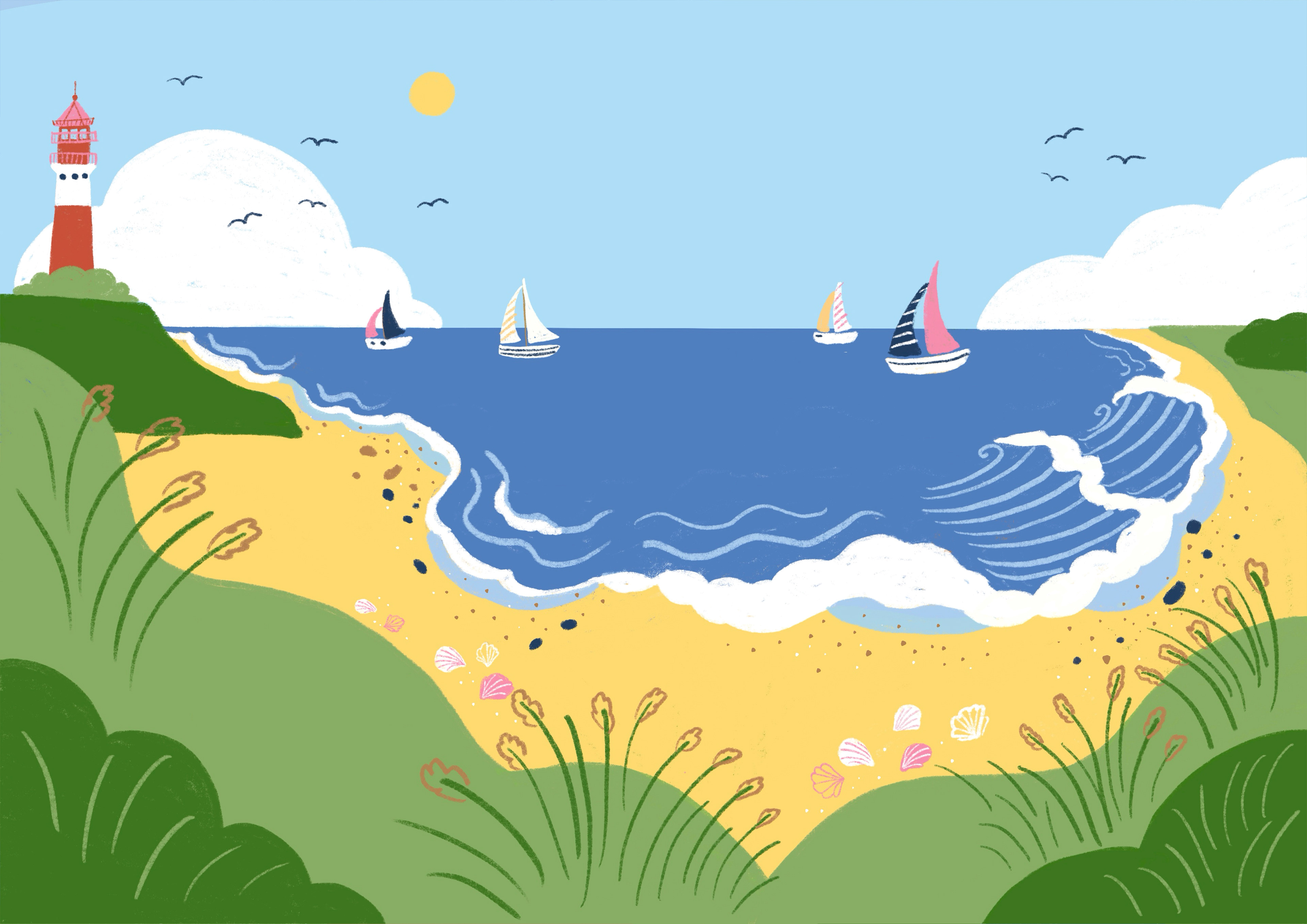
An Illustrated Introduction to the Baltic Sea
(in collaboration with the GEOMAR Centre for Ocean Research Kiel)
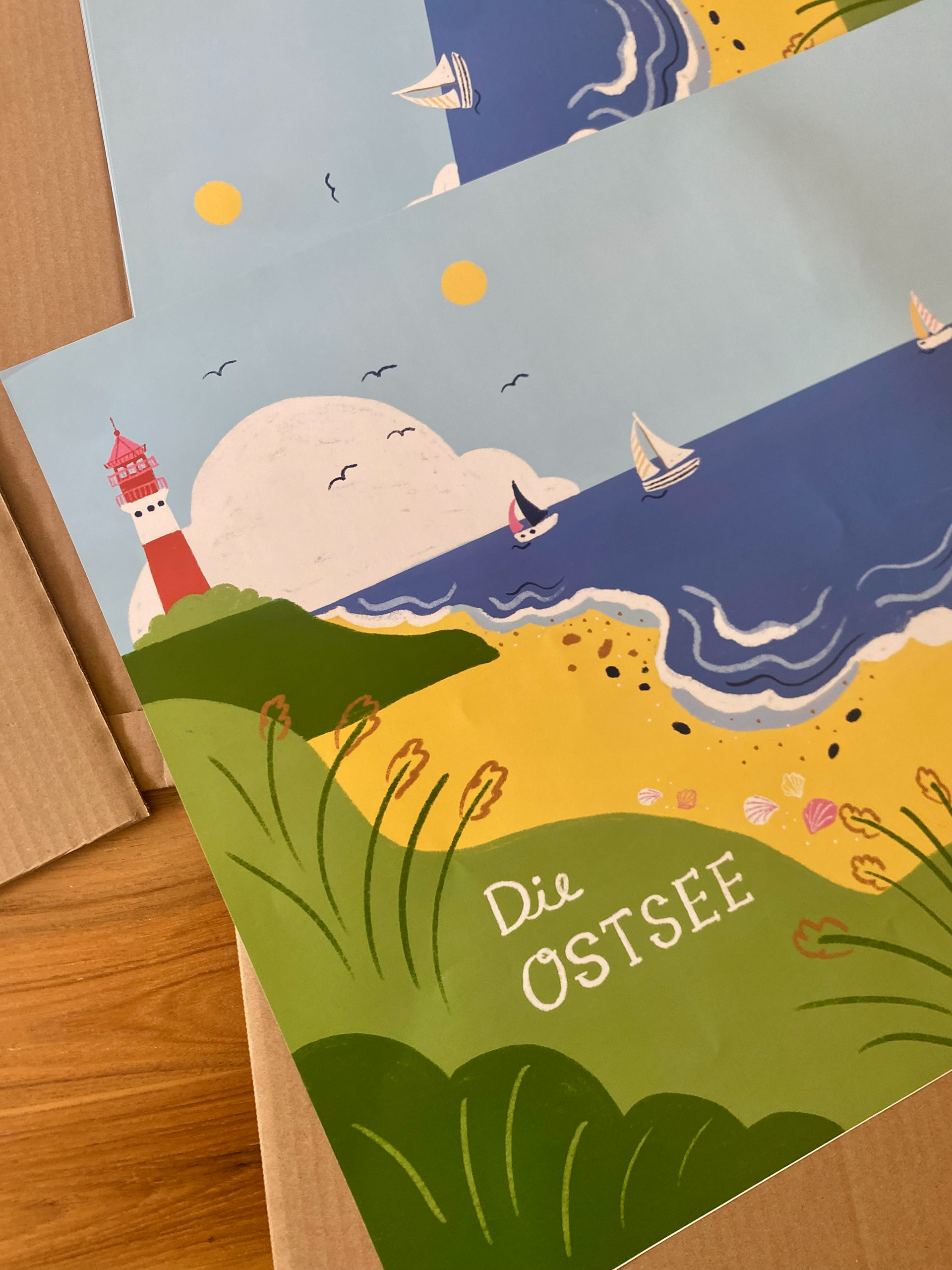
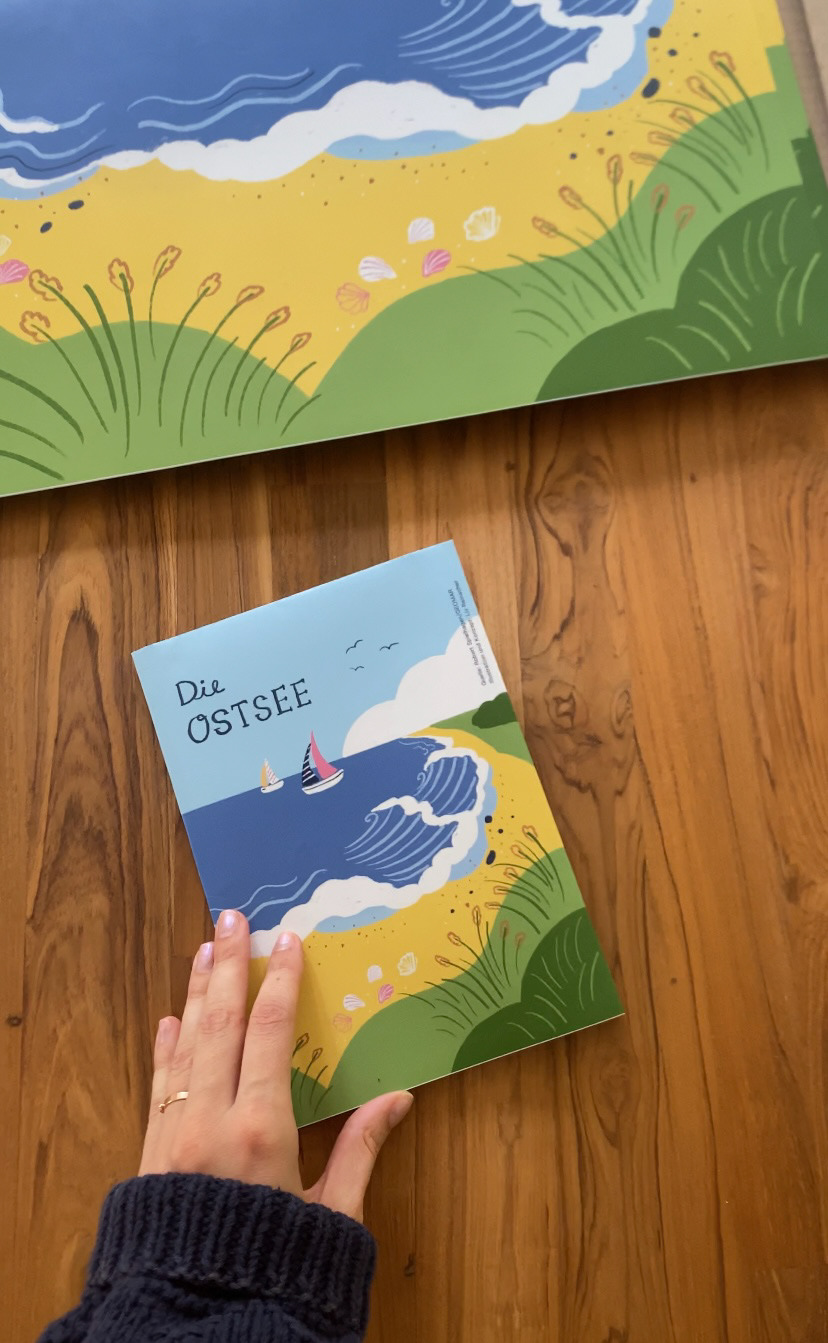
This Project covers the the formation history as well as basic facts about the Baltic Sea. It also explains how the Sea is changing and how we as humans are contributing to that change.
SKETCHES/PROCESS
(privat practice)
Poster about Coral Bleaching
(Information Campaign)